Alishan (阿里山 / Ālǐshān) oolong consistently ranks among Taiwan's most aromatic teas. But what makes this region produce such distinctively fragrant tea? The answer lies in Alishan's unique combination of soil composition, elevation, and climate—terroir factors that can't be replicated elsewhere.
Elevation and Temperature
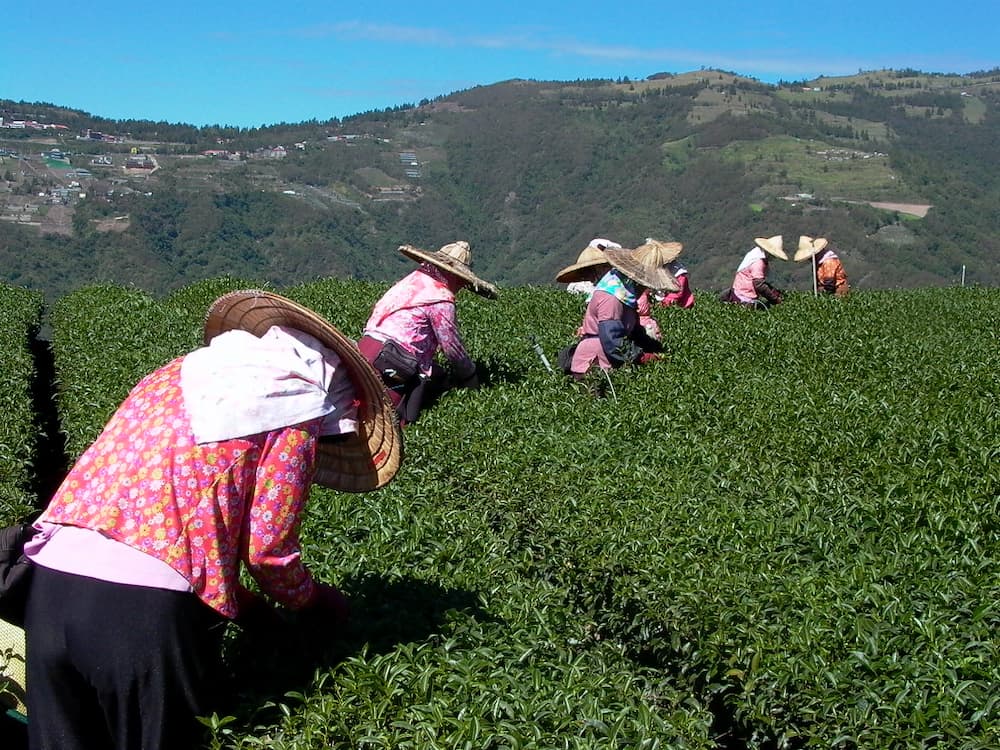
Alishan's tea gardens sit between 1,000-1,600 meters. At these elevations, daytime temperatures remain moderate while nights turn cool. This temperature differential slows tea plant metabolism, allowing flavor compounds to accumulate rather than being consumed by rapid growth. Slower growth equals more concentrated flavor.
Cloud Cover and Humidity
Alishan is famous for its cloud sea (雲海 / yúnhǎi). Frequent fog and mist provide natural shade, reducing harsh sunlight stress. This filtered light encourages the production of aromatic compounds while moderating catechin levels that can cause bitterness. The high humidity also creates ideal growing conditions.
Soil Composition
Alishan's soil contains specific mineral compositions from its geological history—layers of shale, sandstone, and ancient marine sediments. Tea plants absorb these minerals, which influence the tea's characteristic "mountain energy" (山頭氣 / shān tóu qì). Different microclimates within Alishan produce subtle variations.
The Result
These factors combine to produce Alishan oolong's signature profile: bright orchid-like fragrance, creamy body, and long-lasting sweet aftertaste. The terroir is irreplaceable—this is why genuine Alishan tea commands premium prices.
[INTERNAL LINK: Understanding shan tou qi]