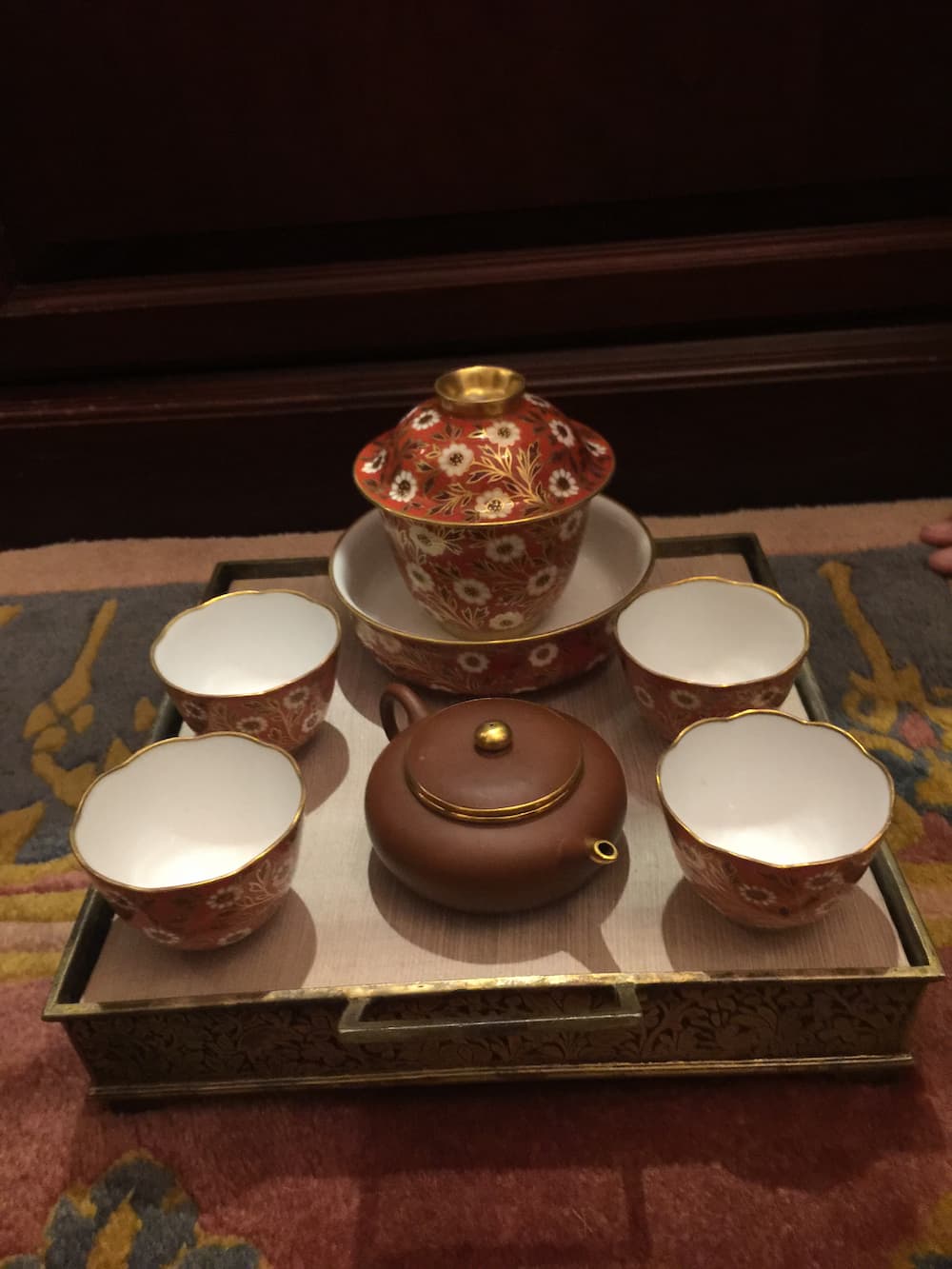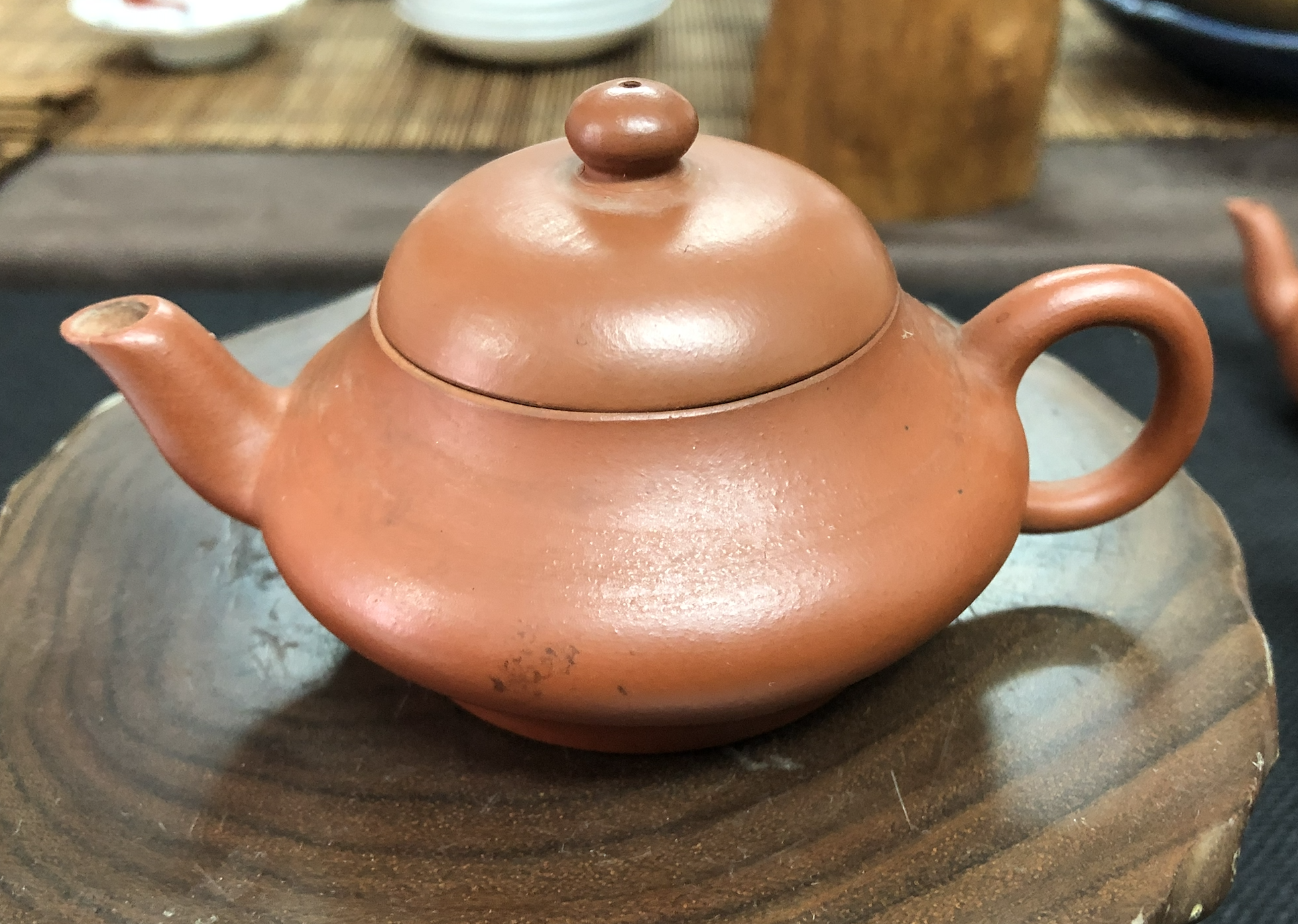
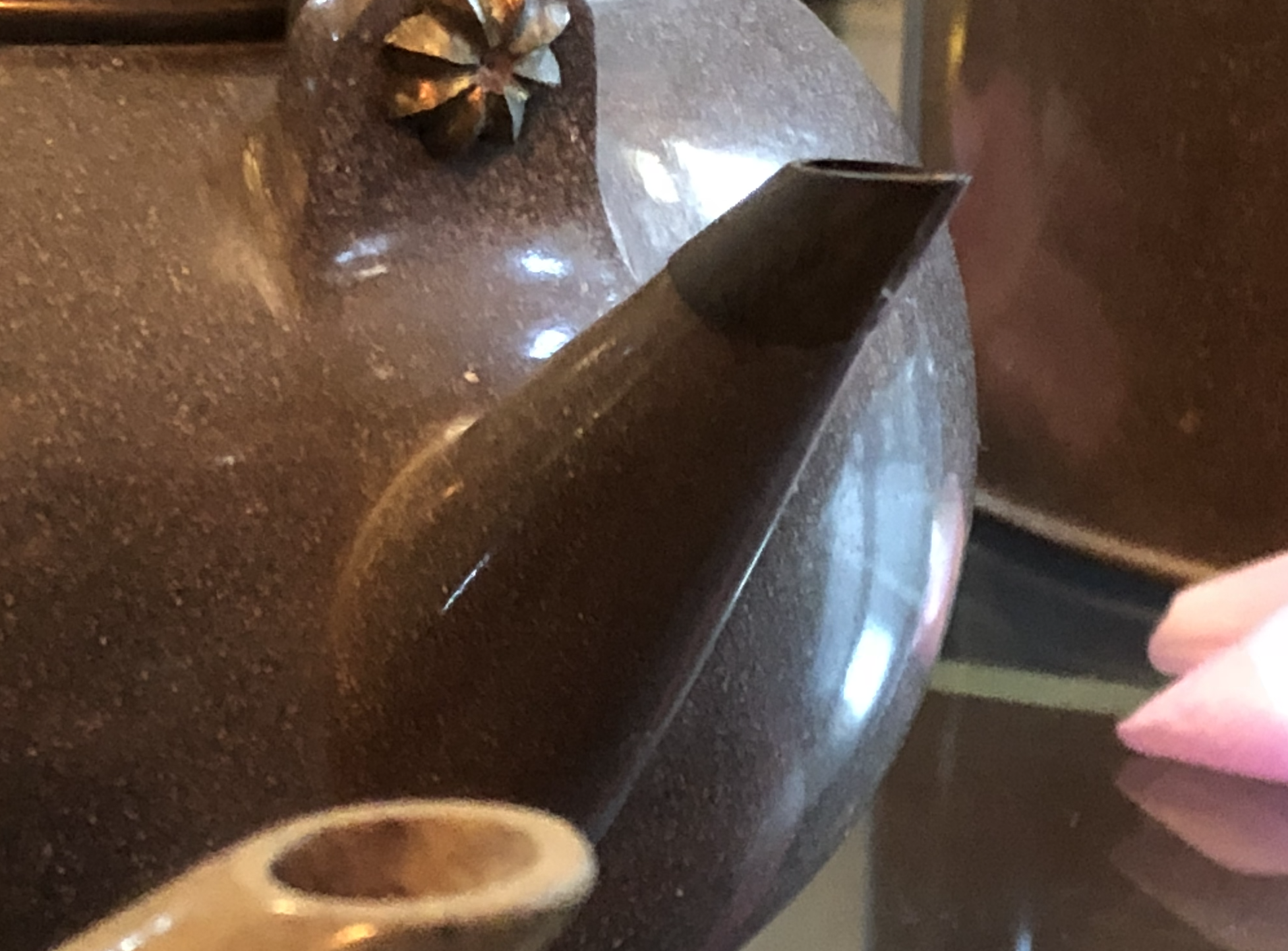
Among Yixing teapot finishing techniques, one stands out for its mysterious origins and remarkable results: banana tree charcoal polishing (香蕉樹炭磨 / xiāngjiāo shù tàn mó). This method, largely lost for a century, produced surfaces of extraordinary smoothness that modern techniques struggle to match.
What Is Banana Charcoal Polishing?
Traditional water-polished pots (水磨壺 / shuǐmó hú) achieved their mirror-like surfaces through patient abrasion using fine materials. Banana tree charcoal, burned to specific grades, provided an ideal polishing medium—hard enough to smooth clay, soft enough to avoid scratching.
Why Banana Charcoal?
Banana tree charcoal possesses unique properties: extremely fine grain structure; natural oils that aid polishing; consistent hardness when properly prepared; and availability in traditional pottery regions of southern China and Taiwan.
The Lost Century
As Yixing production industrialized in the 20th century, labor-intensive traditional techniques fell from use. Banana charcoal polishing required hours of hand work per pot—economically unviable against machine-finished alternatives. Knowledge passed to fewer apprentices each generation until the technique nearly vanished.
Revival Efforts
Contemporary artisan potters have begun reconstructing this lost art. Through historical research, material experimentation, and guidance from elderly craftspeople who remember seeing the technique, some have achieved results approaching historical examples.
Identifying Authentic Water-Polished Pots
Genuine banana charcoal polished surfaces show: deep luster without artificial shine; microscopic polish patterns visible under magnification; consistent finish into recessed areas; and a tactile smoothness distinct from modern buffing.
Conclusion
The banana charcoal technique represents both loss and hope—a reminder that traditional knowledge can disappear within generations, but also that dedicated craftspeople can sometimes recover what was nearly lost. These revived pots connect us to pottery traditions stretching back centuries.