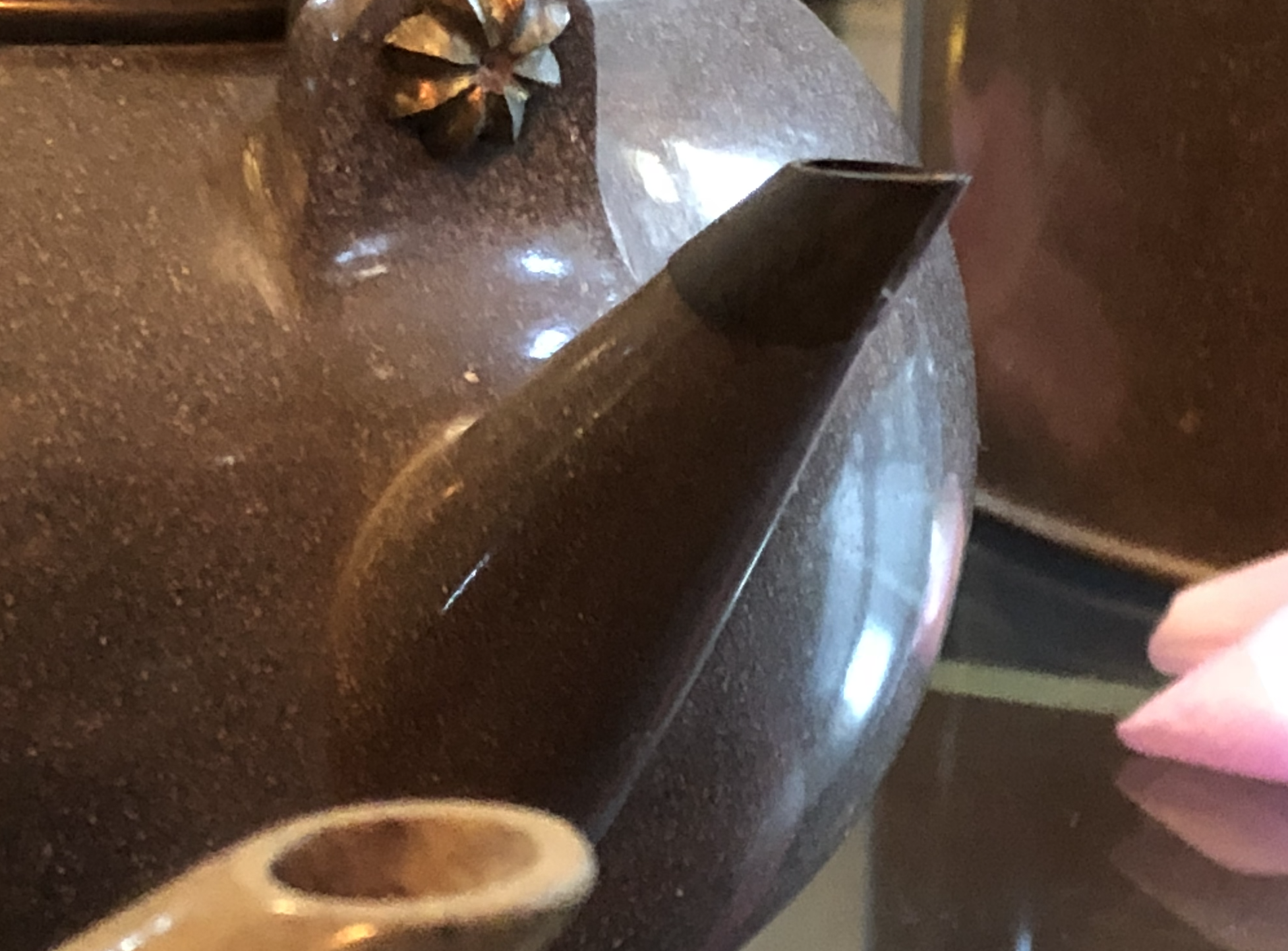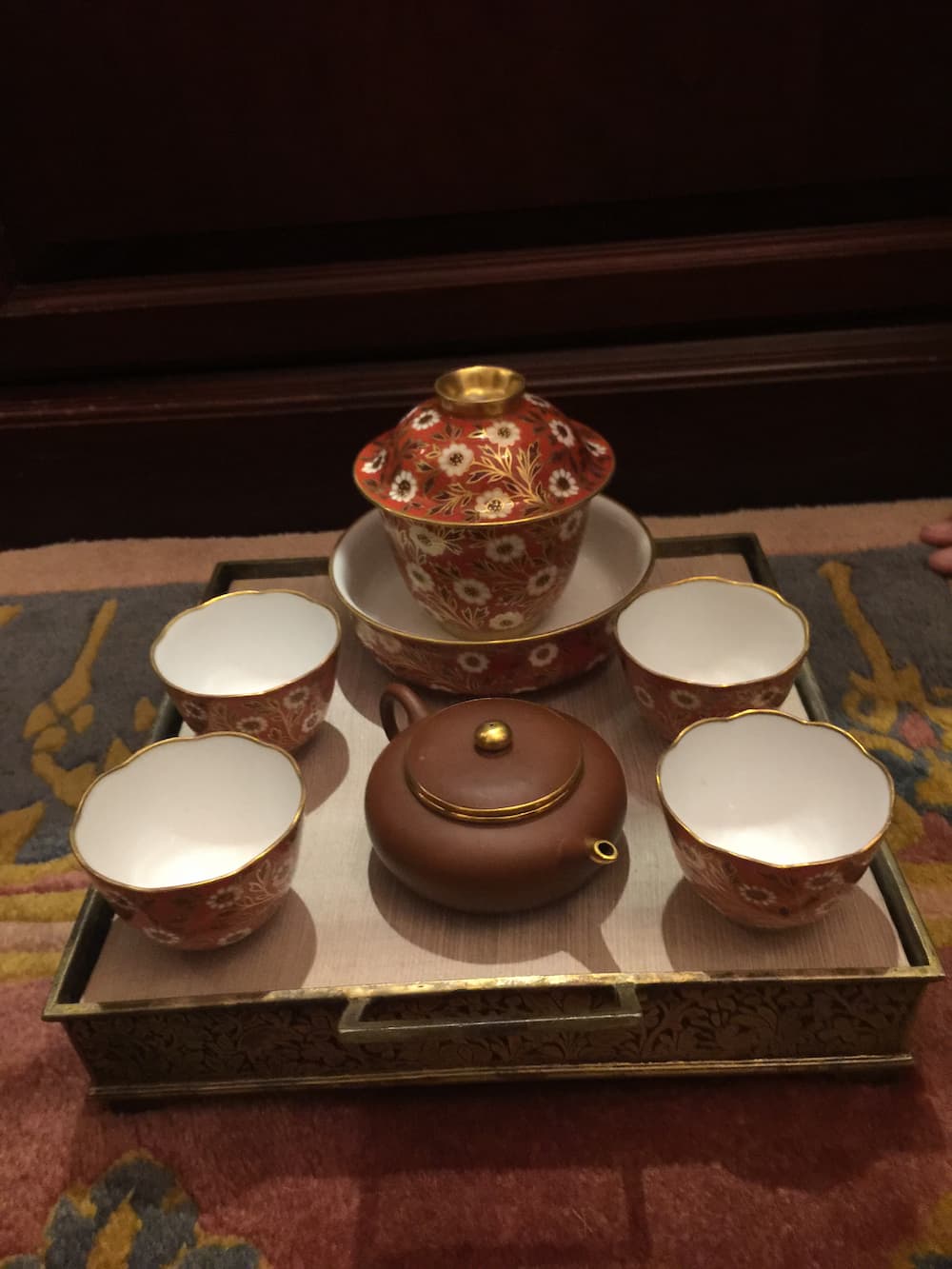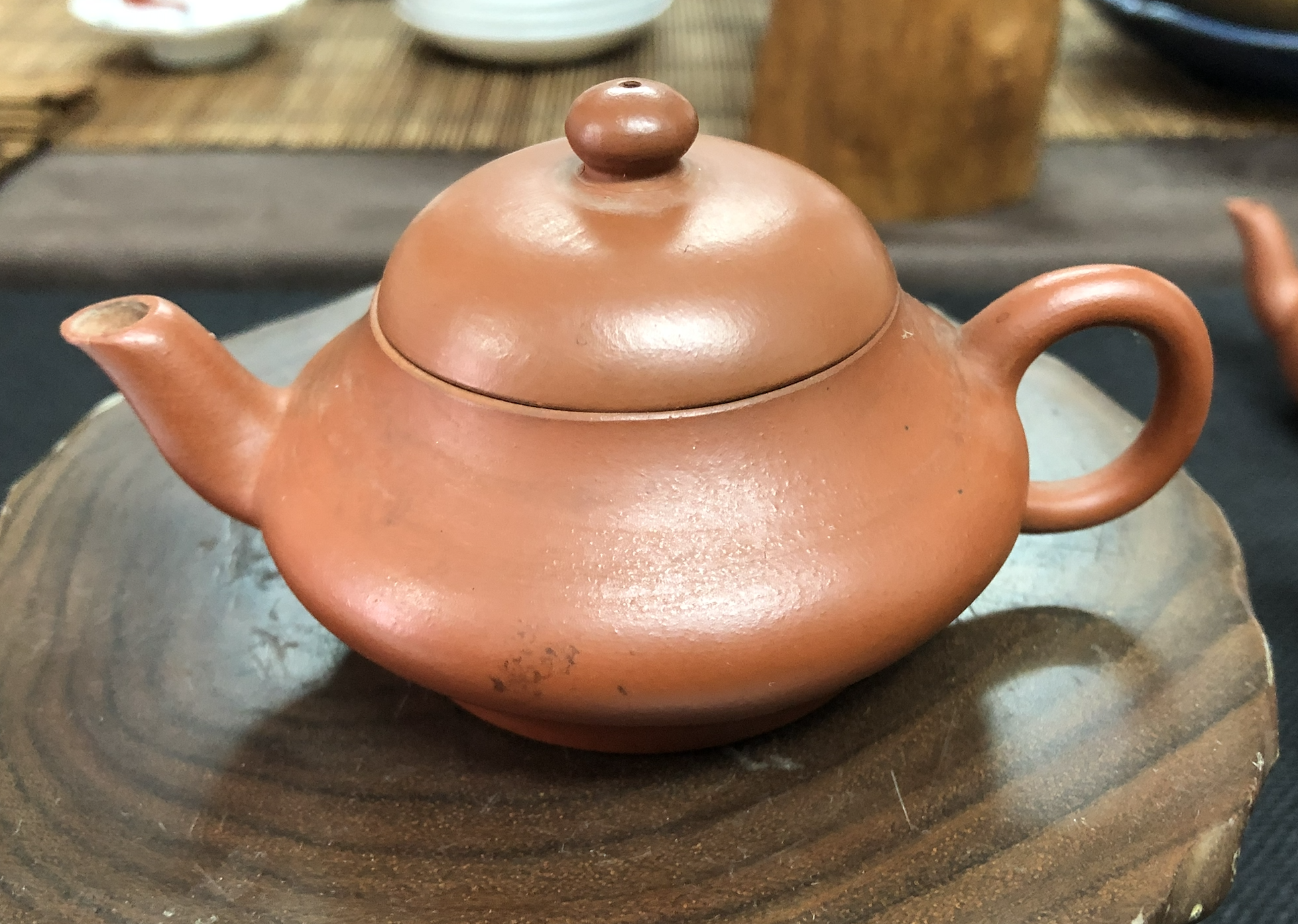
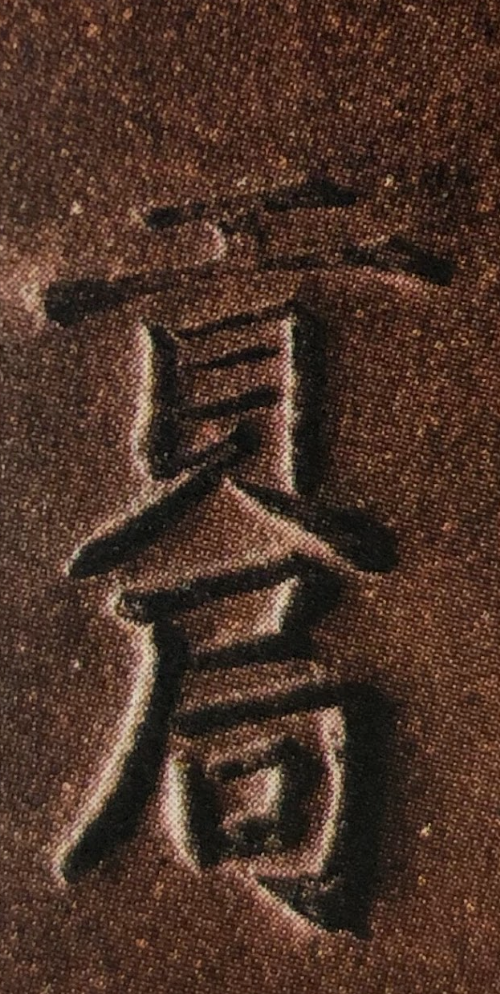
In a Dutch museum sits a Yixing teapot bearing the inscription "天啟貢局" (Tiānqǐ Gòngjú / Tianqi Tribute Bureau). If authentic, this mark would date the pot to the Tianqi reign (1621-1627) of the Ming Dynasty—making it extraordinarily valuable. But is it real?
The Claim
The "Tianqi Tribute Bureau" mark suggests this pot was made for imperial tribute during Emperor Tianqi's reign. Such pieces, if genuine, would represent the earliest documented Yixing teapots produced for court use—a historical treasure.
The Doubts
Several factors raise authentication concerns: the mark's calligraphic style appears inconsistent with confirmed Ming examples; the clay composition differs from verified early Yixing material; construction techniques suggest later periods; and provenance documentation has gaps.
Why This Matters
The pot's authenticity affects more than its value. If genuine, it rewrites our understanding of early Yixing court production. If fake, it represents a sophisticated deception that fooled museum curators—raising questions about other supposedly authenticated pieces.
The Authentication Challenge
Dating Yixing teapots remains notoriously difficult. Unlike porcelain with established reign mark conventions, Yixing marks followed no standardized system. Talented forgers have centuries of practice creating convincing fakes. Even scientific dating methods have limitations with clay materials.
Expert Perspectives
Chinese Yixing scholars generally express skepticism about the Tianqi mark. Western museum curators sometimes defer to acquisition-era attributions. The disagreement highlights how authentication standards vary between collecting cultures.
Conclusion
The Dutch museum teapot exemplifies mysteries throughout Yixing collecting. Whether Ming treasure or later reproduction, it invites us to question assumptions, demand evidence, and appreciate how much remains unknown about even "authenticated" pieces.