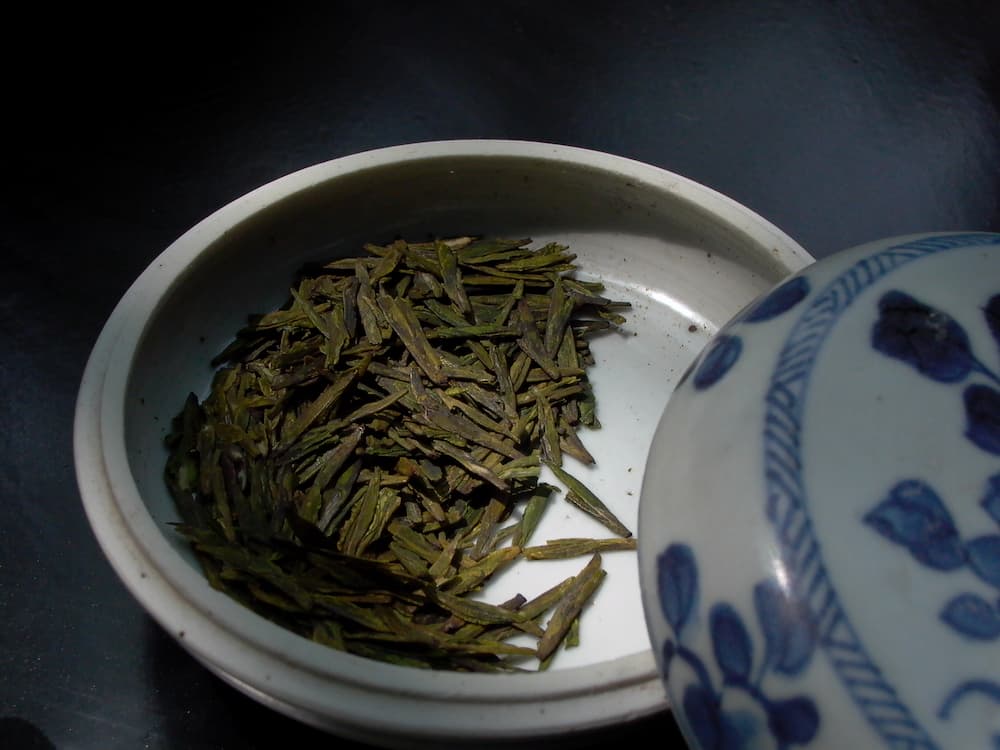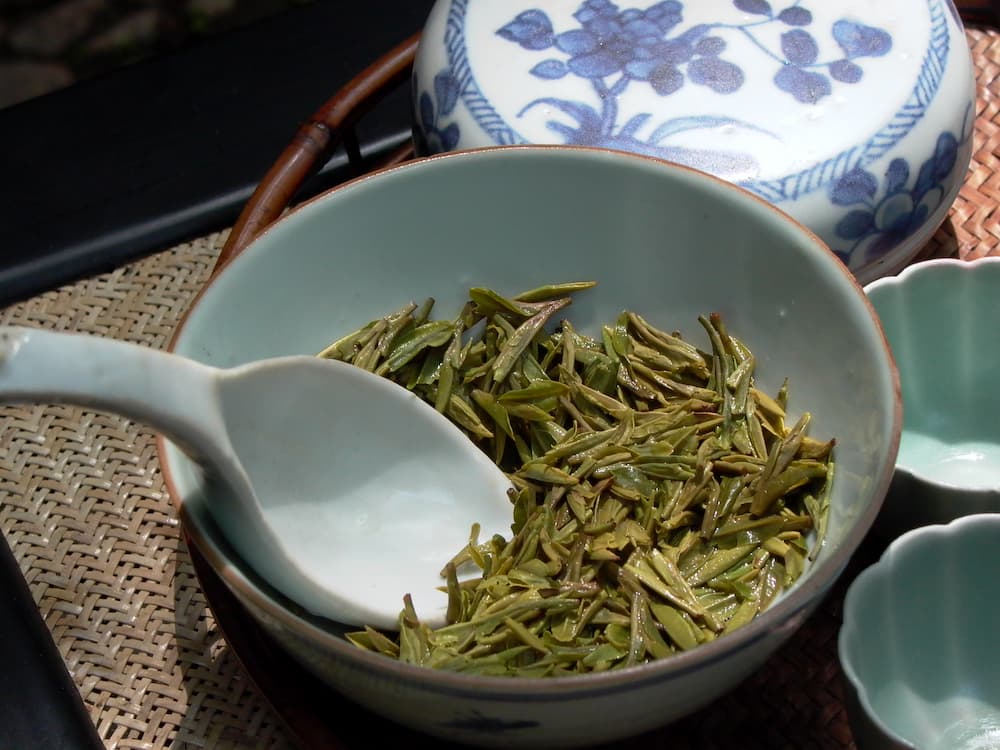
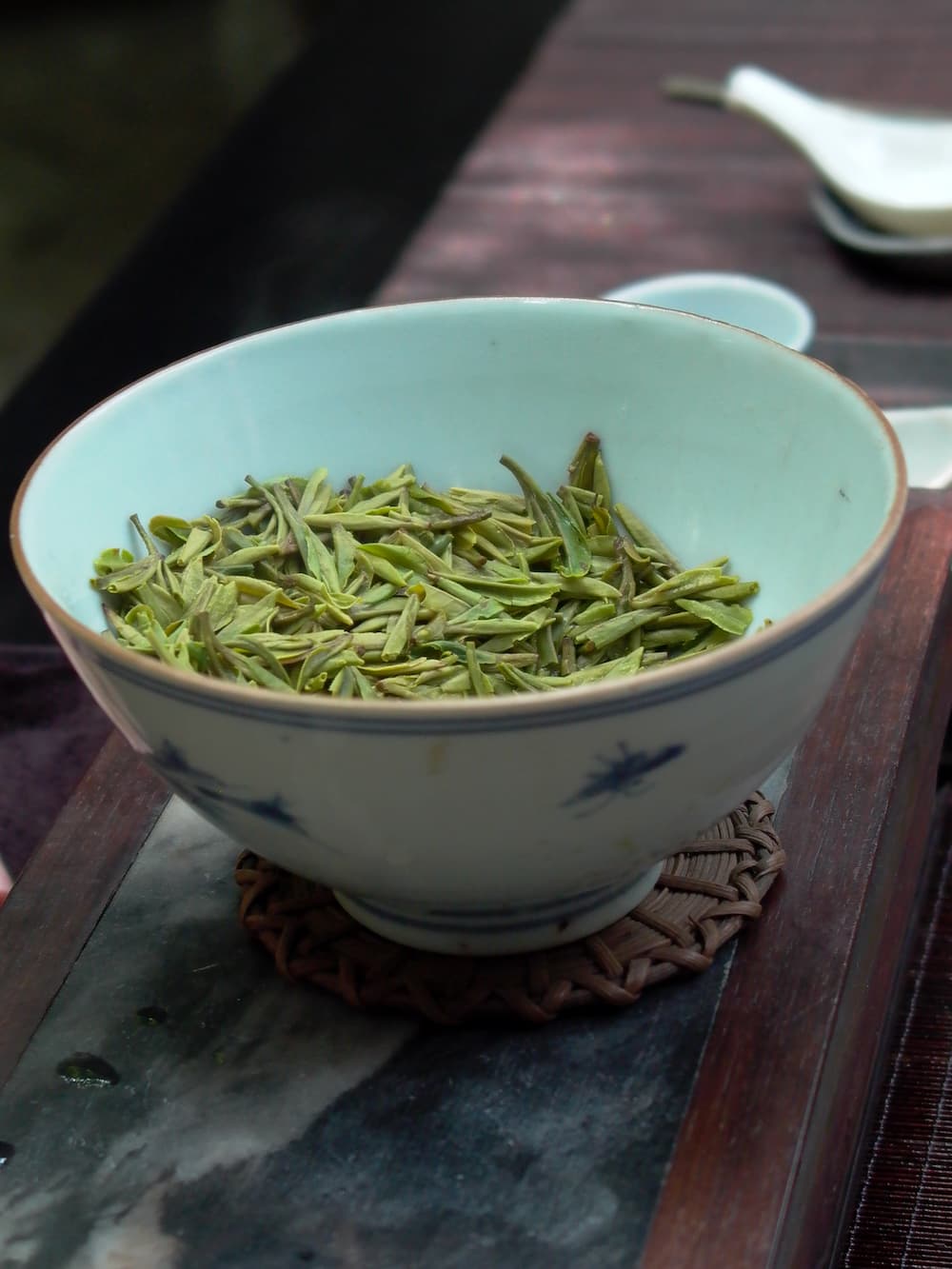
Longjing (龍井 / lóngjǐng), or Dragon Well, is China's most celebrated green tea—but its delicate nature requires a different approach than oolong. Where Taiwan high mountain oolong thrives on hot water and multiple infusions, Longjing demands gentler treatment. Here's how to appreciate this legendary tea properly.
The Basics: Temperature and Timing
Longjing's tender leaves cannot withstand boiling water. While high mountain oolong welcomes 95°C+ temperatures, Longjing performs best around 80°C (176°F). Water that's too hot scorches the leaves, creating bitter, harsh flavors that mask the tea's natural sweetness.
To achieve 80°C without a thermometer: boil water, then let it cool for 3-4 minutes, or transfer it between vessels a few times. Alternatively, mix roughly 3 parts boiled water with 1 part room-temperature water.
Steeping times are brief—about 1-2 minutes for the first infusion. Unlike oolong's 5-8+ infusions, Longjing typically offers 2-3 good steeps before the flavor thins noticeably.
Vessel Selection: Glass Is Ideal
While oolong often calls for porcelain or clay, Longjing is beautifully served in a clear glass cup or tall glass. The visual element is part of the experience: watching the flat, spear-shaped leaves sink and rise, dancing in the water like a graceful ballet.
The "glass of Longjing" presentation is iconic in Chinese tea culture. The transparent vessel showcases the pale jade-green liquor and the elegant leaves—an aesthetic pleasure before the first sip.
The Glass Brewing Method
For the traditional glass method:
1. Warm your glass with hot water, then discard the warming water.
2. Add 3-4 grams of Longjing leaves to the glass.
3. Pour 80°C water to about one-third full, swirl gently to wet all leaves.
4. After 30 seconds, fill the glass to about 70% capacity.
5. Wait 1-2 minutes, then begin sipping.
6. When roughly one-third of the liquid remains, add more hot water for subsequent infusions.
This "留根法" (liú gēn fǎ, "retaining the root" method) ensures each subsequent steep benefits from the concentrated liquor remaining in the glass.
The Gaiwan Alternative
A porcelain gaiwan (蓋碗 / gài wǎn) also works well for Longjing. The advantage: you can smell the wet leaves on the lid's underside, appreciating the distinctive chestnut-like fragrance. The disadvantage: you miss the visual show.
When using a gaiwan, pour water first, then add leaves (下投法 / xià tóu fǎ) to cushion them from the heat. Alternatively, add a little water, add leaves, then top up (中投法 / zhōng tóu fǎ).
What to Taste For
Quality Longjing offers:
Aroma: A distinctive fragrance often described as roasted chestnuts or fresh mung bean sprouts—vegetal yet sweet.
Taste: Smooth, sweet, with savory umami undertones. There should be no bitterness or astringency. Classical descriptions speak of a "flavorless flavor" (無味之味 / wú wèi zhī wèi)—a profound subtlety that rewards patient attention.
Aftertaste: A clean, sweet finish that lingers gently without demanding attention.
Longjing vs. Oolong: Different Pleasures
If you're accustomed to Taiwan oolong, Longjing may initially seem "thin" or "simple." This is a misunderstanding. Longjing's virtue isn't complexity—it's purity. Where oolong develops flavor through oxidation, Longjing preserves the unaltered essence of the fresh leaf.
Approach Longjing on its own terms: as a meditation in simplicity, a study in freshness, a different but equally valid expression of tea's potential.
[INTERNAL LINK: Comparing green tea and oolong tea]