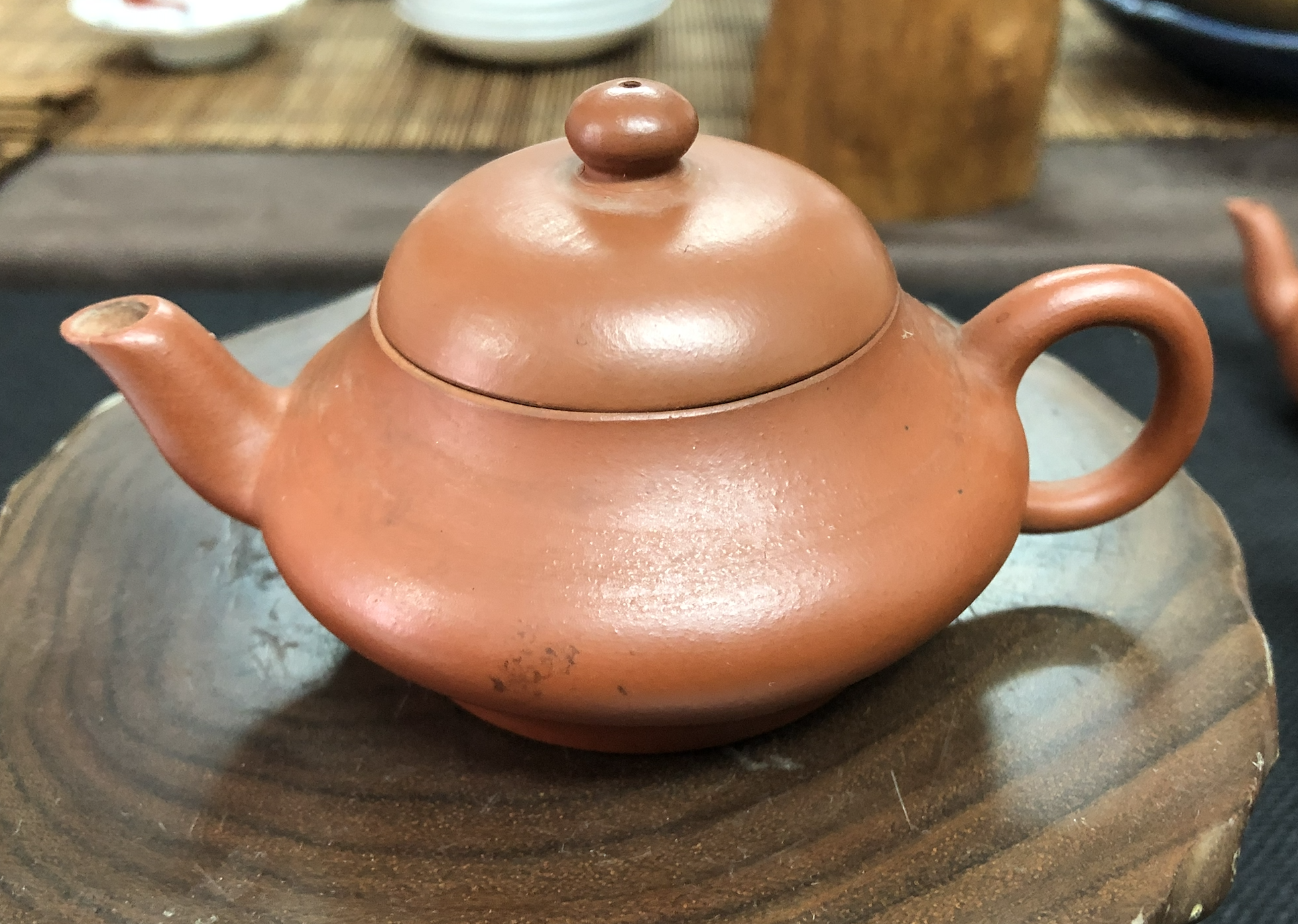
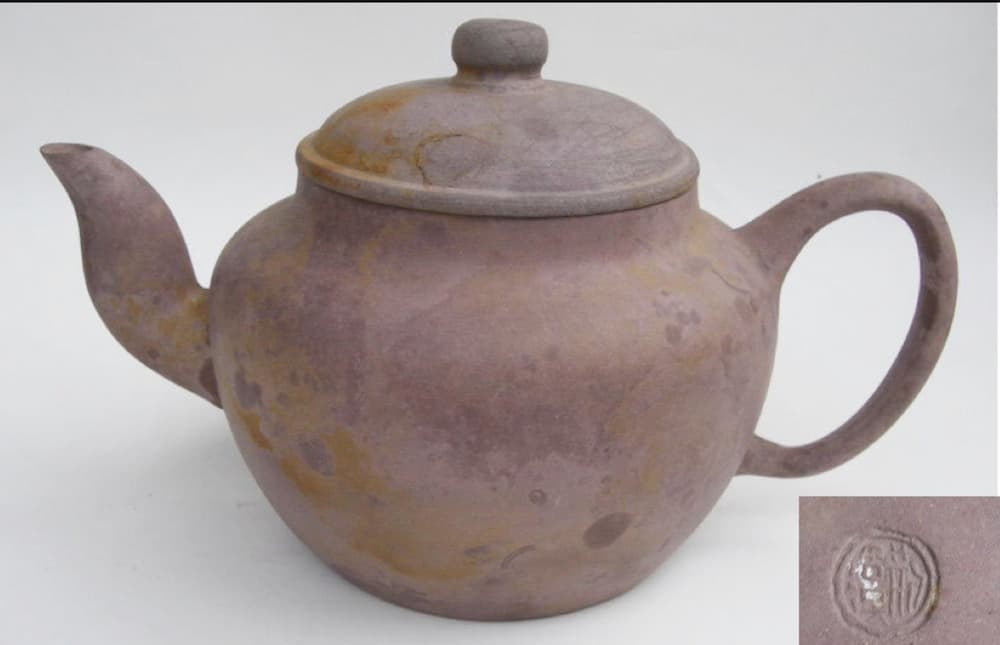
In the world of Zhuni teapots (朱泥壺 / zhūní hú), some of the most prized pieces are those that emerged from the kiln transformed by fire in unexpected ways. These "kiln-changed" (窯變 / yáobiàn) pots divide collectors: are they flawed rejects or serendipitous art?
What Is Kiln Change?
Kiln change occurs when extreme temperatures, atmospheric variations, or ash deposits create unpredictable surface effects during firing. Colors may shift dramatically, textures may form unexpectedly, and no two pieces emerge identical. In Zhuni clay, known for its sensitivity to heat, these effects can be particularly dramatic.
The Traditional View: Defects to Discard
Historically, potters considered kiln-changed pieces failures. The goal was consistent, predictable results matching the potter's intention. Pots that emerged discolored or textured differently were often destroyed or sold cheaply as seconds.
This view persists among collectors who prize technical perfection. For them, a pot should demonstrate the potter's complete control over materials and process. Kiln change represents loss of control—the kiln imposing its will over the artist's.
The Modern View: Nature's Collaboration
Contemporary collectors increasingly celebrate kiln change as collaboration between potter and fire. The unpredictable effects create unique pieces impossible to replicate. Each kiln-changed pot becomes one-of-a-kind—a quality highly valued in an age of mass production.
Some argue that kiln change reveals the clay's true character, expressing qualities the potter couldn't consciously create. The fire becomes a co-creator, adding dimensions beyond human planning.
Evaluating Kiln-Changed Pieces
Not all kiln changes are equal. Collectors distinguish between: harmonious changes that enhance the pot's overall beauty; dramatic but balanced transformations; and chaotic effects that disrupt the form's integrity.
The best kiln-changed pieces maintain functional excellence while adding visual interest. Cracks, warping, or changes that compromise use remain defects regardless of aesthetic appeal.
Conclusion
The kiln-change debate reflects broader questions about art, craft, and intention. Whether you see these pots as flawed or transcendent depends on your philosophy of creation. Perhaps the wisest view embraces both perspectives: honoring intentional mastery while remaining open to fire's transformative surprises.