In Taiwan's tea industry terminology, one phrase always draws knowing smiles: "pants-off tea" (脫褲茶 / tuōkù chá). This somewhat embarrassing term hides a story Lugu tea farmers would rather not discuss—the painful experience of competition rejection.
Picture this scene: Farmers carry their carefully crafted tea to competition, hearts full of hope, anxious to earn judges' recognition. But when results are announced, tea that fails to meet qualification standards must have its packaging publicly removed and returned to the farmer. This public "pants removal" humiliation leaves rejected farmers deeply embarrassed—hence the term "pants-off tea."
How did a simple packaging action become farmers' deepest pain? What human drama and competitive reality hide behind the "pants-off tea" name?
The 22-Jin Gamble: From Hope to Disappointment
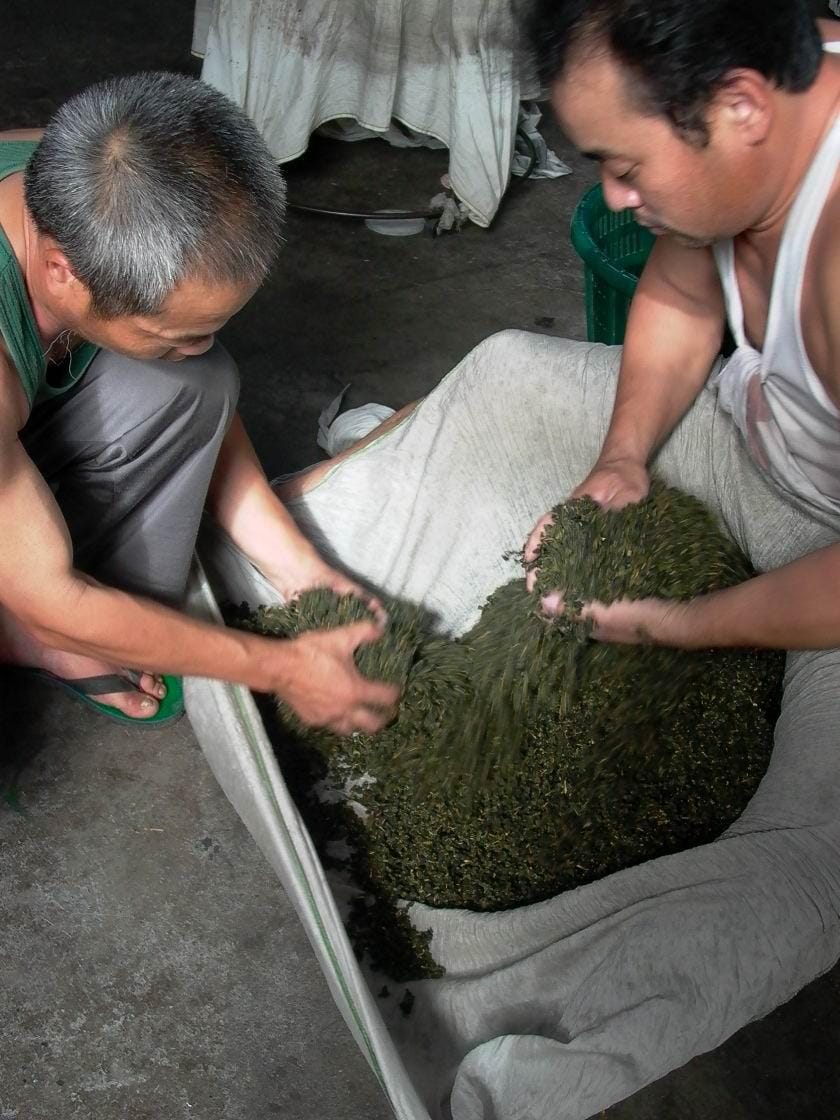
To understand "pants-off tea," you must first understand Lugu Township's unique competition system. In early competition operations, farmers packaged tea at home, with each entry totaling 22 jin (approximately 13 kg). These 22 jin carried an entire season's labor and hope.
The sampling method adds an element of fate: samples are randomly selected by farmers' association staff from all submitted packages. This random selection means results contain some luck factor.
The Sealing Ritual: Where Dreams Meet Reality
Competition tea undergoes a formal sealing ceremony. After inspection, staff attach official seals to each package, certifying competition eligibility. This seal represents recognition—a badge of honor farmers proudly display.
But these same seals become markers of shame when tea fails to qualify. Rejection means seals must be publicly broken and packaging removed—the literal "pants removal."
The Psychology of Public Rejection
The "pants-off" metaphor captures something profound about competition psychology. In close-knit farming communities, public rejection carries social weight beyond business loss. Farmers who see neighbors' tea win while their own gets "stripped" experience disappointment, embarrassment, and reputation concerns.
From Stigma to Opportunity
Some savvy merchants now purchase rejected entries—excellent quality, just not award level—selling them as premium products at reasonable prices. For consumers, "pants-off tea" can represent exceptional value: competition-quality processing without premium pricing.
Conclusion
"Pants-off tea" encapsulates Taiwan tea culture's competitive intensity and farming communities' social dynamics. The next time you enjoy Lugu competition tea, spare a thought for farmers whose entries didn't make the cut.