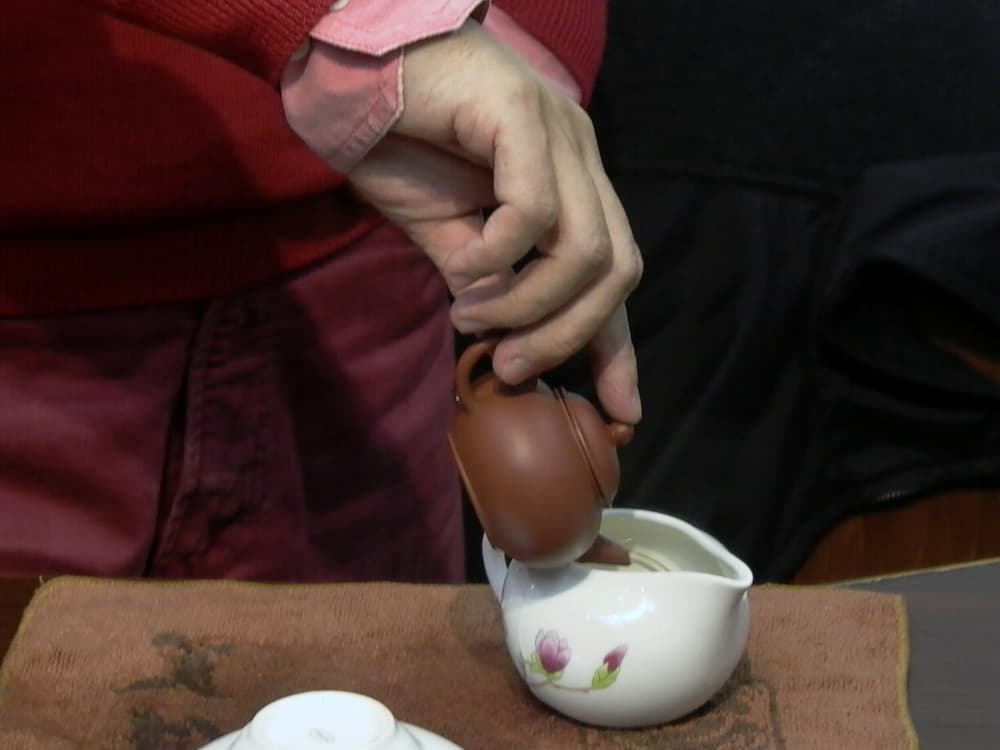
Walking into a teaware shop, faced with an array of teapots in every shape and size, have you ever wondered: round, flat, tall, squat—which is actually best for brewing high mountain oolong? Many people mistakenly believe that any small teapot will produce authentic flavor, but this isn't the case. To brew high mountain oolong properly, teapot shape matters enormously. Choose the right form, and your tea leaves can unfurl completely, releasing their full fragrance.
Ball-Rolled Tea Needs Room to Expand
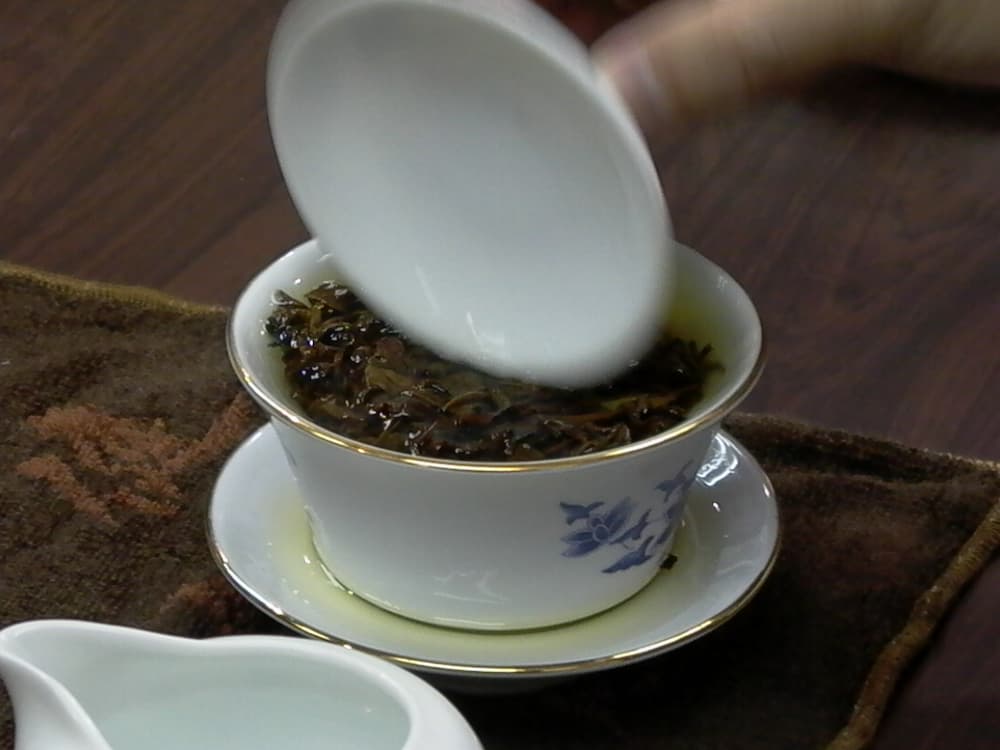
High mountain oolong leaves are tightly rolled into balls—a distinctive shape created by the special rolling techniques used during processing. These compact, spherical leaves need adequate space to fully unfurl when met with hot water.
If the teapot lacks sufficient room, the leaves cannot expand completely, and the tea's aroma and flavor cannot be fully released into the liquor. This is why brewing high mountain oolong shouldn't focus solely on the elegance of a small pot—you must consider what the leaves actually require.
Therefore, selecting a vessel with enough room for leaves to stretch freely is one of the keys to brewing excellent oolong. What shape works best? The answer is a round teapot.
Round Teapots: Optimal for Leaf Expansion
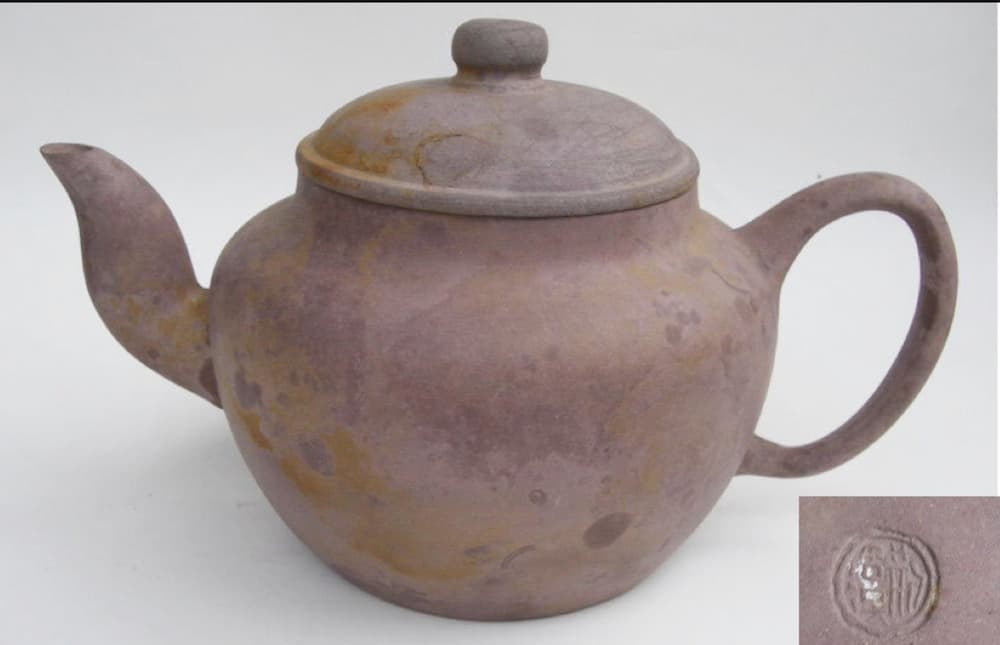
In terms of shape, round teapots best allow tea leaves to unfurl, enabling ball-rolled oolong to expand completely. Why are round vessels particularly well-suited?
From a physical standpoint, a rounded interior allows hot water to circulate evenly, and leaves can tumble freely without being constrained by sharp corners or narrow spaces. This unrestricted environment is exactly what ball-rolled high mountain oolong needs.
When leaves fully expand inside a round pot, every leaf surface can contact the hot water thoroughly, allowing the tea's soluble compounds to release completely. The resulting liquor displays the full, rich aroma and complex flavor that high mountain oolong should deliver.
Material Matters Too: Porcelain and Zhuni Are Best
Having chosen the right shape, don't overlook material. Porcelain and zhuni (朱泥 / zhū ní) clay teapots are most suitable for high mountain oolong.
Lightly oxidized teas contain elegant, delicate aromatics. Using a pot made from coarse, porous clay risks losing these precious scents. Porcelain's high density and non-absorptive surface preserve the tea's full fragrance—exactly what high mountain oolong demands. Zhuni clay, with its fine, dense texture, similarly retains aroma without letting it escape.
Flat Teapots: When They Work
What about flat teapots? These work well for certain teas—particularly flat-leaf varieties like Dragon Well (龍井 / lóngjǐng) that don't need vertical space to unfurl. However, for ball-rolled oolong, flat pots restrict the leaves' ability to expand upward, often resulting in uneven extraction.
If you prefer the aesthetics of a flatter pot, choose one with a wide, rounded body rather than a severely compressed shape. Some compromise is possible, but extremely flat designs should be reserved for appropriate leaf styles.
Size Considerations
Beyond shape, size matters. A 150-200ml teapot typically works well for personal brewing of high mountain oolong, providing enough space for 5-7 grams of leaves to expand fully while keeping the tea-to-water ratio appropriate for concentrated flavor.
Avoid very small pots (under 100ml) unless you're using proportionally less leaf. Cramped conditions lead to uneven extraction—some leaves fully unfurled, others still tightly wound—producing inconsistent cups.
Practical Recommendations
For high mountain oolong, your ideal teapot is: round-bodied for optimal leaf expansion, made of porcelain or zhuni for aroma preservation, and sized appropriately for your typical serving. This combination allows each brewing session to reveal the tea's true character—those ethereal high-mountain fragrances and the smooth, sweet body that define quality Taiwan oolong.
[INTERNAL LINK: Complete guide to selecting teaware for oolong]