Ask a beginner how to brew tea, and they'll often cite specific times: "45 seconds for the first steep, 30 seconds for the second." Search online and you'll find countless guides with precise timing instructions. But experienced tea masters rarely glance at a timer. Professional brewing isn't about following rigid formulas—it's about reading the tea and responding to the moment.
The Myth of Universal Timing
Tea timing guides have their place for beginners needing a starting point. But treating these numbers as rules ignores a fundamental truth: every tea session involves unique variables that no preset formula can account for.
Consider what affects extraction: leaf size and tightness (compact rolls take longer to open than loose leaves), water temperature (hotter water extracts faster), vessel material (porcelain cools differently than clay), altitude and ambient temperature, even how vigorously you poured the water. Two sessions with "identical" parameters can produce noticeably different results.
What Actually Determines Strength
Tea strength emerges from the interaction of several factors:
Leaf-to-water ratio: The most significant factor. More leaf means stronger tea at any given steeping time.
Water temperature: Hotter water extracts compounds faster. A 90°C brew at 45 seconds differs dramatically from an 85°C brew at the same time.
Steeping duration: Yes, time matters—but it's only one variable among many.
Leaf condition: How tightly the leaves are rolled, whether this is first steep or fifth, how much the leaves have already given.
Agitation: Stirring or swirling speeds extraction; stillness slows it.
A "30-second steep" with different ratios, temperatures, and leaf conditions produces wildly different cups. The number alone tells us little.
Reading Rather Than Timing
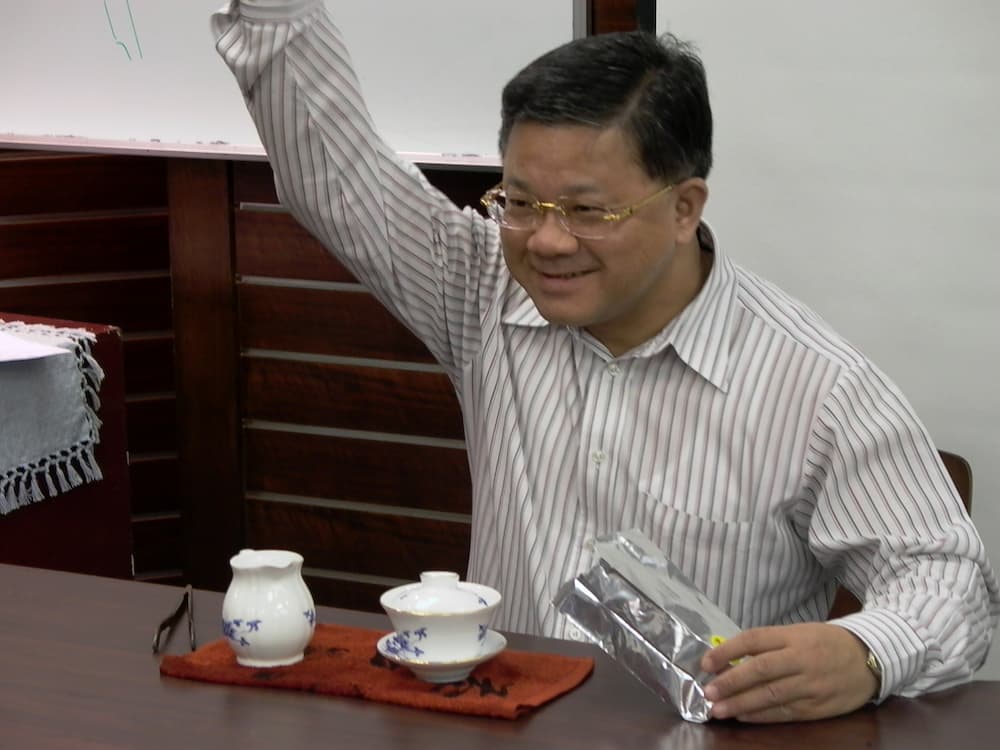
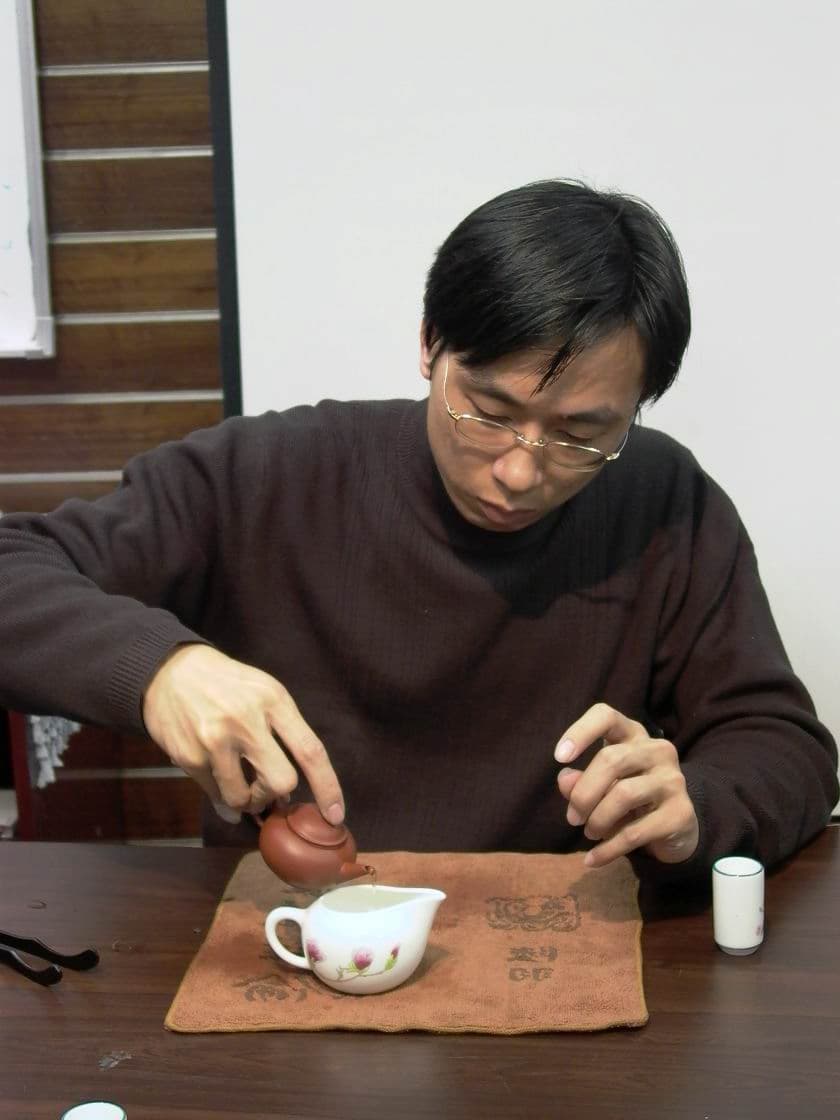
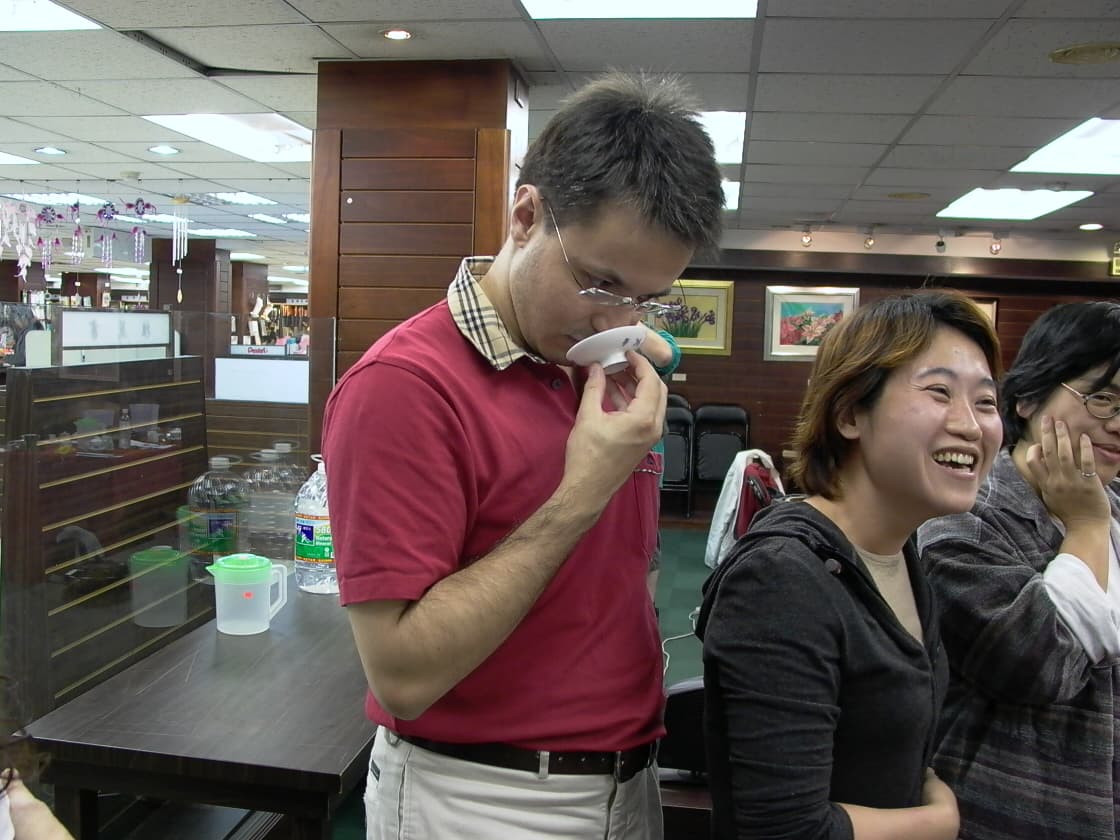
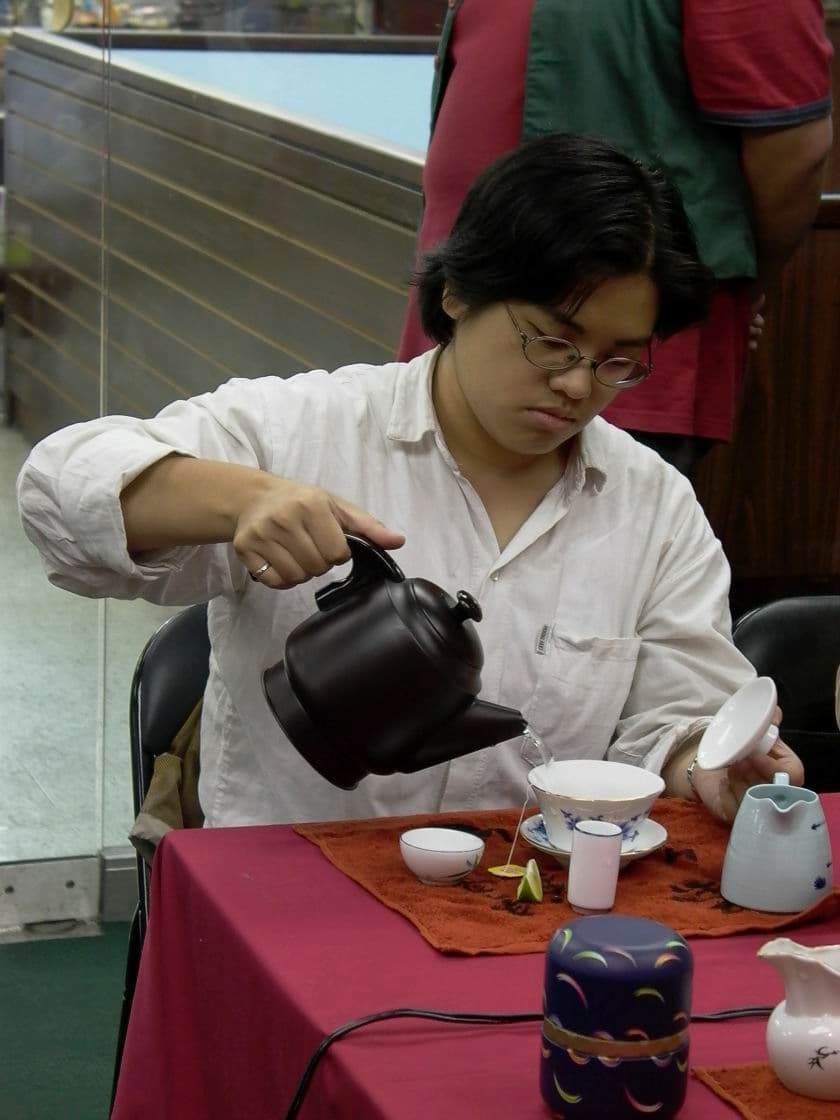
Professional brewers develop the ability to read their tea in real time. They watch the liquor's color developing—is it reaching the depth they want? They note how the leaves are unfurling—have they opened enough to release their essence? They smell the steam rising from the pot—are the aromatics at their peak?
These sensory cues provide far more useful information than elapsed seconds. The tea itself signals when it's ready.
Personal Preference Is Valid
Here's what timing-focused guides often miss: strength preference is subjective. What I consider perfect might taste weak to you and overpowering to someone else. The goal isn't to brew "correctly"—it's to brew enjoyably for whoever is drinking.
When brewing for yourself, your own palate sets the standard. When hosting others, pay attention to their responses and adjust accordingly. A good host reads guests as attentively as they read tea.
Building Intuition
If you're accustomed to timer-dependent brewing, try this exercise: brew your familiar tea without any timepiece. Pour when it feels right. Taste the result. Was it too strong? Too light? Note mentally what you observed—color, aroma, leaf expansion—and adjust next time.
With practice, you'll develop intuition that serves you better than any formula. You'll learn to feel when the tea is ready, responding to this specific tea on this specific day rather than following generic instructions.
When Precision Matters
Timing precision has its place: competition settings require standardized parameters for fair comparison, and product development demands reproducibility. Scientific tea research relies on controlled variables.
But home brewing isn't science—it's pleasure. Treating it with laboratory rigidity misses the point. The aim is an enjoyable cup, not a precisely quantified extraction.
The Real Professional Standard
True tea mastery isn't about following rules perfectly—it's about developing the sensitivity to brew any tea, in any conditions, for any audience, and produce something delightful. That requires presence and adaptability, not timers and formulas.
[INTERNAL LINK: Developing your tea brewing intuition]