Have you ever noticed that the same tea tastes different in different cups? Beyond material and shape, cup wall thickness significantly influences how you experience tea's aroma and flavor. Thin-walled cups and thick-walled cups each have their virtues—understanding the difference helps you choose the right cup for each tea and occasion.
Thin-Wall Cups: Bright and Immediate
Thin-walled porcelain cups (薄胎杯 / báo tāi bēi) have elegant, delicate walls that conduct heat quickly. When you pour hot tea into a thin cup, the temperature transfers rapidly to your lips and hands, creating an immediate sensory connection.
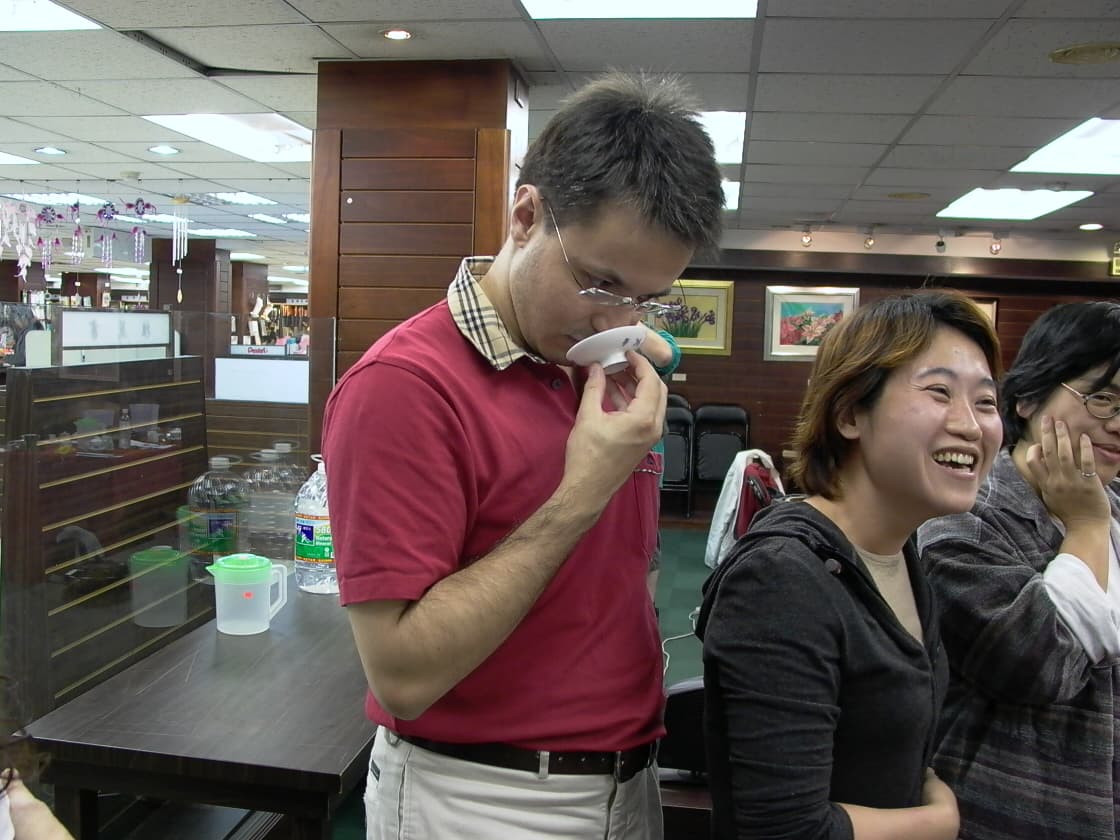
For aromatic teas like high mountain oolong, thin cups offer distinct advantages. The quick heat transfer means aromatics volatilize efficiently, delivering bright, lifted fragrances to your nose. The thin rim allows the liquor to flow smoothly across your palate, highlighting nuanced flavors.
The aesthetic appeal is undeniable too—fine porcelain thin enough to be translucent catches light beautifully, and the elegance of the vessel enhances the overall experience.
Thick-Wall Cups: Sustained and Mellow
Thick-walled cups (厚胎杯 / hòu tāi bēi) retain heat longer, keeping tea warm through extended drinking sessions. The thermal mass of the thicker walls absorbs initial heat, then gradually releases it—a buffer that smooths out temperature fluctuations.
For heavily roasted oolongs or aged teas, this sustained warmth can be beneficial, allowing deeper, mellower notes to develop as the tea cools slowly. The substantial feel of a thick cup also provides tactile satisfaction that some drinkers prefer.
The Physics of Aroma Release
Tea aroma compounds volatilize at different temperatures. Light, floral top notes escape quickly at higher temperatures, while deeper, woodier base notes emerge as tea cools. Cup wall thickness affects how quickly this aromatic evolution occurs.
In a thin cup, you experience a concentrated burst of bright aromatics followed by rapid cooling. In a thick cup, the aromatic journey unfolds more gradually, with different scent layers revealing themselves over a longer period.
Matching Cup to Tea
For delicate, high-fragrance teas—spring-harvested high mountain oolong, light green teas, white teas—thin cups generally excel. These teas' greatest virtue is their ethereal aromatics, and thin cups deliver those scents with maximum clarity.
For robust, deeply flavored teas—aged oolong, heavily roasted teas, shou puerh—thick cups can enhance the experience by maintaining warmth and encouraging the slow development of complex flavors.
Practical Considerations
Thin cups are more fragile and require careful handling. They're wonderful for focused tea appreciation but perhaps less suitable for casual, everyday use. Thick cups are more durable and forgiving, making them practical choices for daily drinking.
Consider the season too: in winter, thick cups help keep tea warm longer; in summer, thin cups let tea cool to comfortable drinking temperature more quickly.
Personal Preference Matters
Ultimately, the "best" cup is the one that enhances your personal enjoyment. Some drinkers love the delicate precision of thin porcelain; others prefer the solid comfort of a substantial cup. Both approaches have merit.
If you haven't experimented with cup thickness, try brewing the same tea in different cups and note the differences. You may discover that certain teas "click" with certain cups in ways you hadn't anticipated.
[INTERNAL LINK: Guide to selecting teacups for different teas]