In Taiwan's most prestigious high-mountain tea region, a quiet revolution has unfolded. The Tsou people (鄒族 / Zōu Zú), indigenous to the Alishan mountains, have transformed from hired laborers to tea farm owners—now controlling an estimated 40% of Alishan's tea production. This is their story of perseverance, adaptation, and triumph.
How did workers become owners? What challenges did indigenous farmers overcome? And what does their success mean for Alishan tea's future?
From Workers to Owners: The Transformation Journey
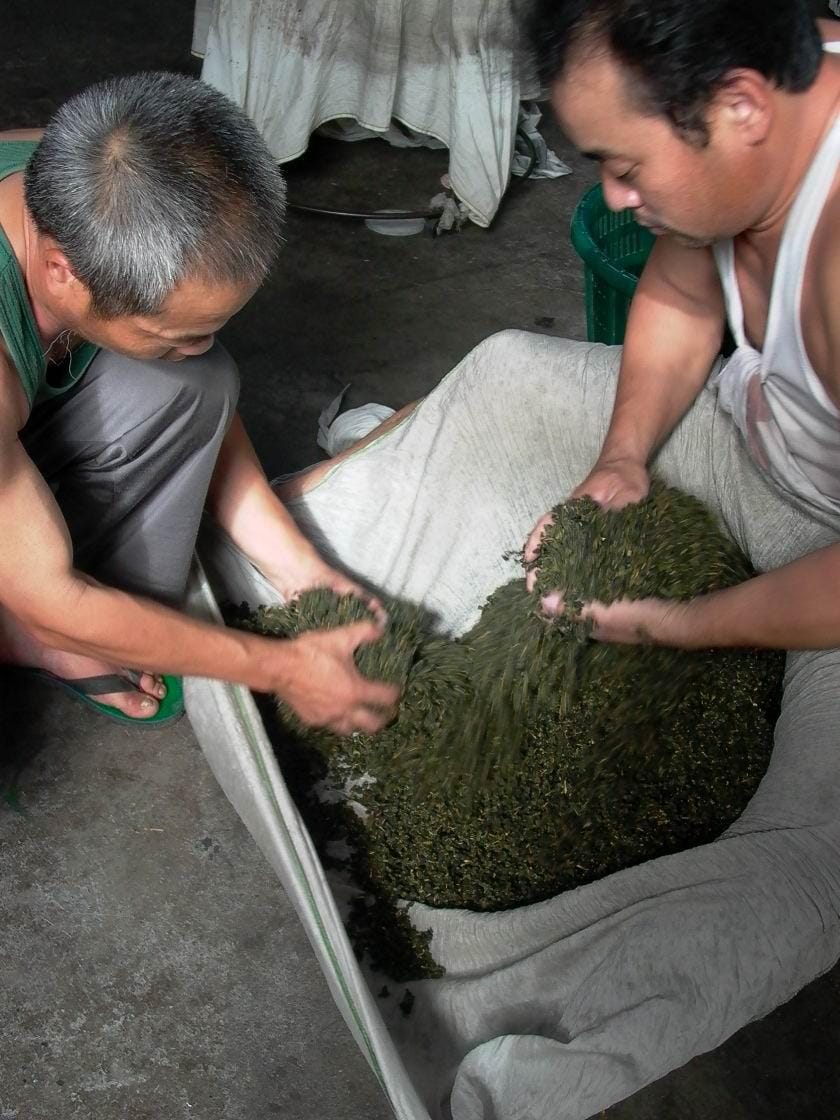
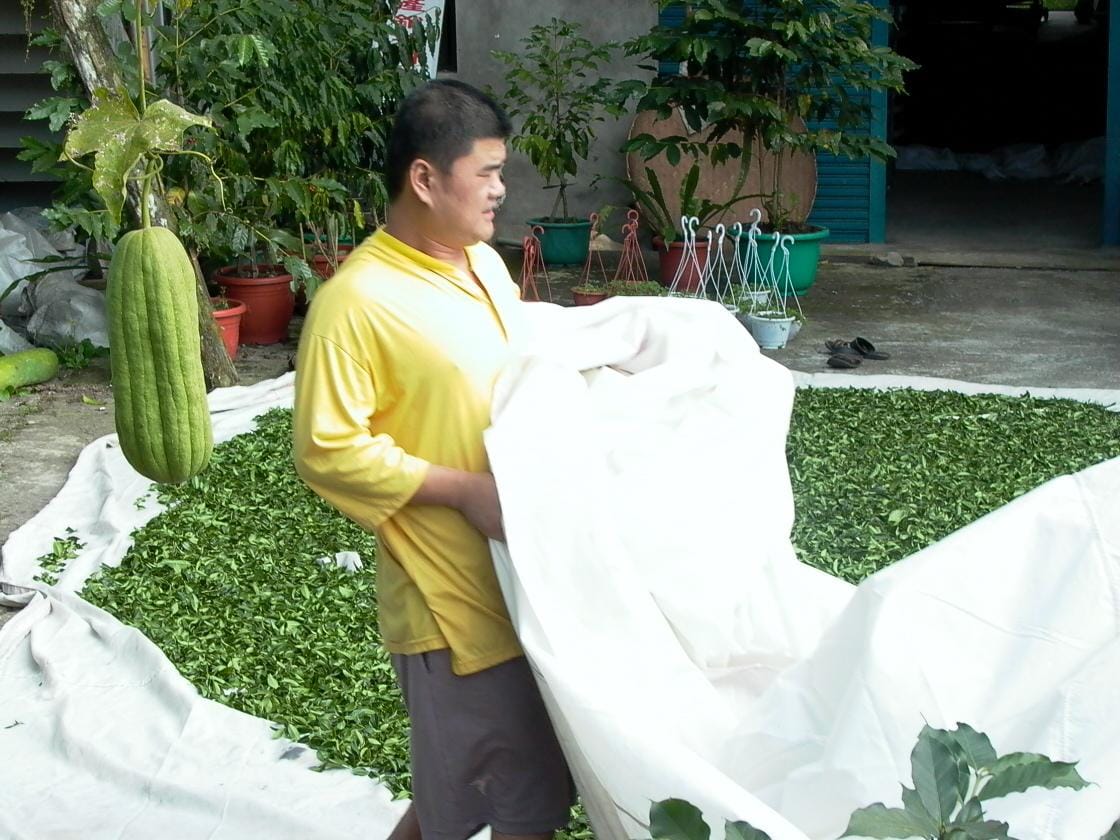
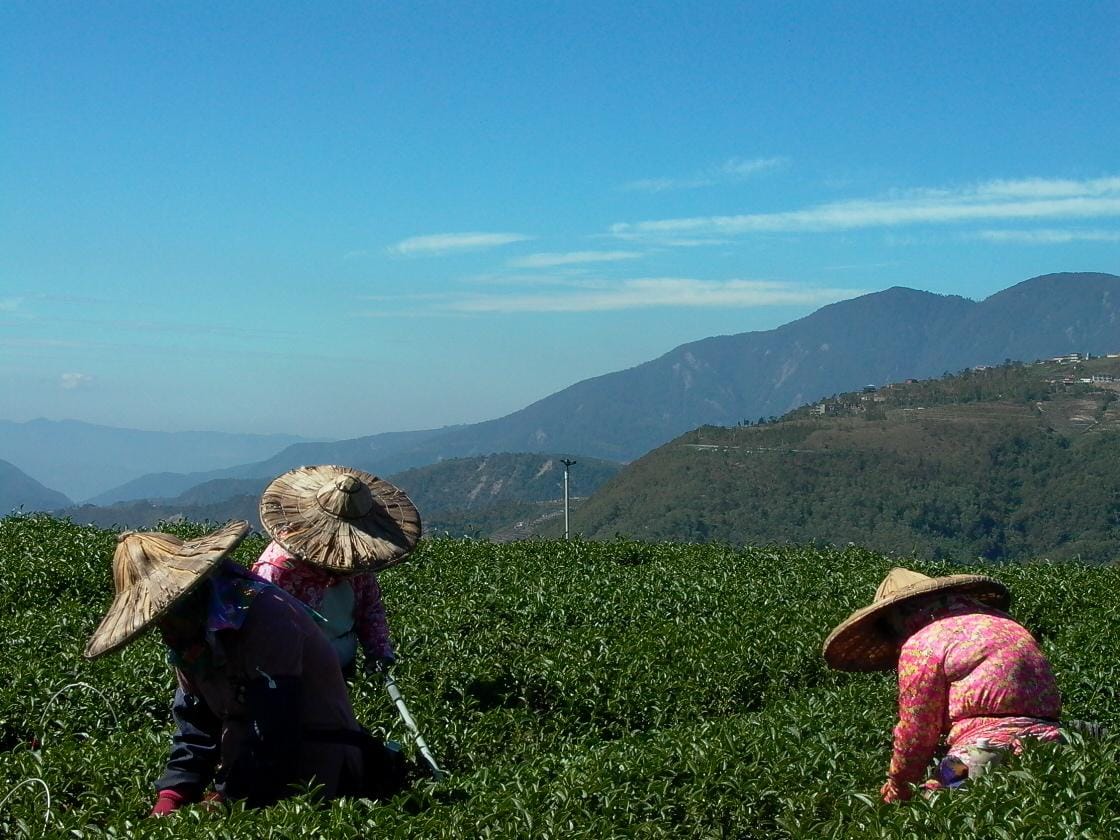
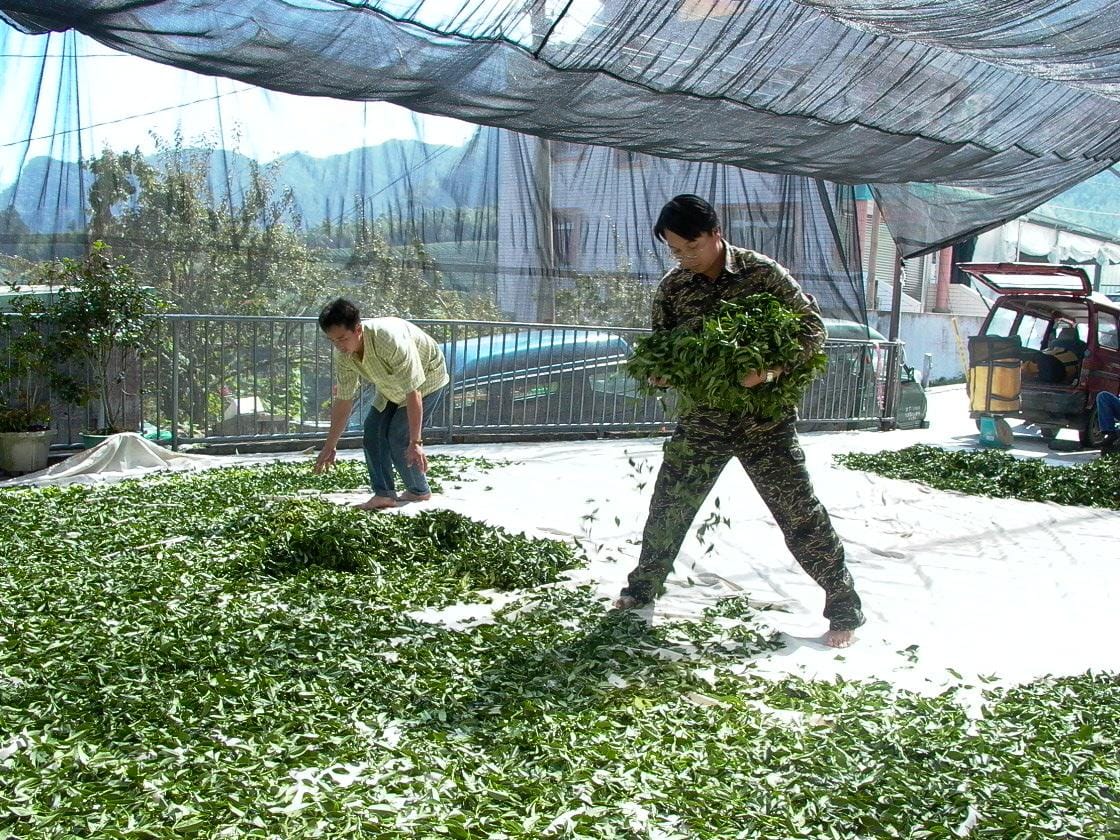
For decades, Tsou people worked on tea farms owned by Han Chinese settlers who had moved to Alishan for its lucrative tea industry. Indigenous workers performed the hardest labor—planting, harvesting, processing—while ownership and profits remained with outsiders.
The shift began gradually. Some workers saved earnings to purchase small plots. Others inherited land that gained value as Alishan tea's reputation grew. Government programs supporting indigenous land rights also played a role.
Challenges Along the Way
Transitioning from laborer to owner required more than land acquisition. Tsou farmers had to master business skills: marketing, pricing, customer relations, quality control. Many learned through trial and error, sometimes costly mistakes.
Cultural barriers also existed. Taiwan's tea market traditionally favored established Han Chinese brands. Indigenous-owned farms had to prove their tea quality could match or exceed competitors.
The Quality Advantage
Tsou farmers discovered an unexpected advantage: intimate knowledge of the land. Generations of working these mountains provided deep understanding of microclimates, soil variations, and optimal cultivation timing that newcomers couldn't easily replicate.
This terroir expertise, combined with traditional ecological knowledge, produced distinctive teas. Some buyers now specifically seek Tsou-grown Alishan oolong for its unique character.
Community and Cooperation
Rather than competing destructively, many Tsou tea farmers formed cooperatives. These organizations share processing equipment, marketing resources, and business knowledge. Collective bargaining power helps small farmers compete against larger operations.
Looking Forward
The Tsou success story continues evolving. Younger generation farmers combine traditional knowledge with modern techniques: organic certification, direct-to-consumer sales, social media marketing. They're building brands that celebrate indigenous identity while meeting international quality standards.
Conclusion
The 40% indigenous ownership figure represents more than market share—it represents reclaimed agency over ancestral lands and economic self-determination. When you drink Alishan tea today, there's a good chance it comes from Tsou hands that have worked these mountains for generations.