Most tea guides focus on water temperature, steeping time, and leaf quantity—but how you pour the water matters too. The angle, speed, and height of your pour influence how the leaves tumble, how evenly they extract, and ultimately how your tea tastes. Mastering water-pouring technique (注水 / zhù shuǐ) is a subtle but meaningful refinement of your brewing practice.
Why Pouring Technique Matters
When hot water meets tea leaves, extraction begins immediately. How the water contacts the leaves affects how evenly this extraction proceeds. A harsh, splashing pour agitates the leaves violently, potentially causing uneven extraction or releasing harsh tannins too quickly. A gentle, controlled pour allows for more measured, even extraction.
The physics are straightforward: moving water transfers more energy to the leaves than still water. Vigorous pouring extracts faster; gentle pouring extracts slower. Neither is inherently better—but the technique should match your intention.
Common Pouring Methods
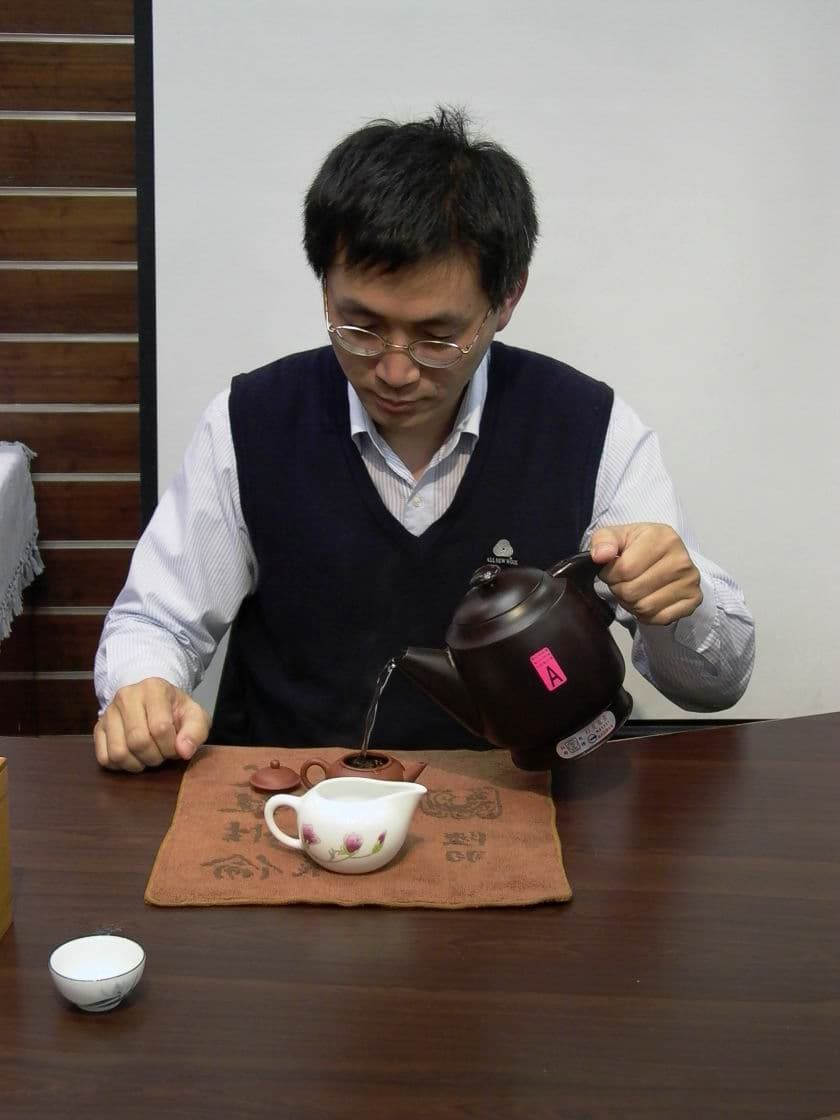
High pour (高沖 / gāo chōng): Pouring from a height of 10-15cm above the vessel. The water's momentum creates turbulence, agitating the leaves and accelerating extraction. This works well for heavily roasted teas that need encouragement to release their flavors.
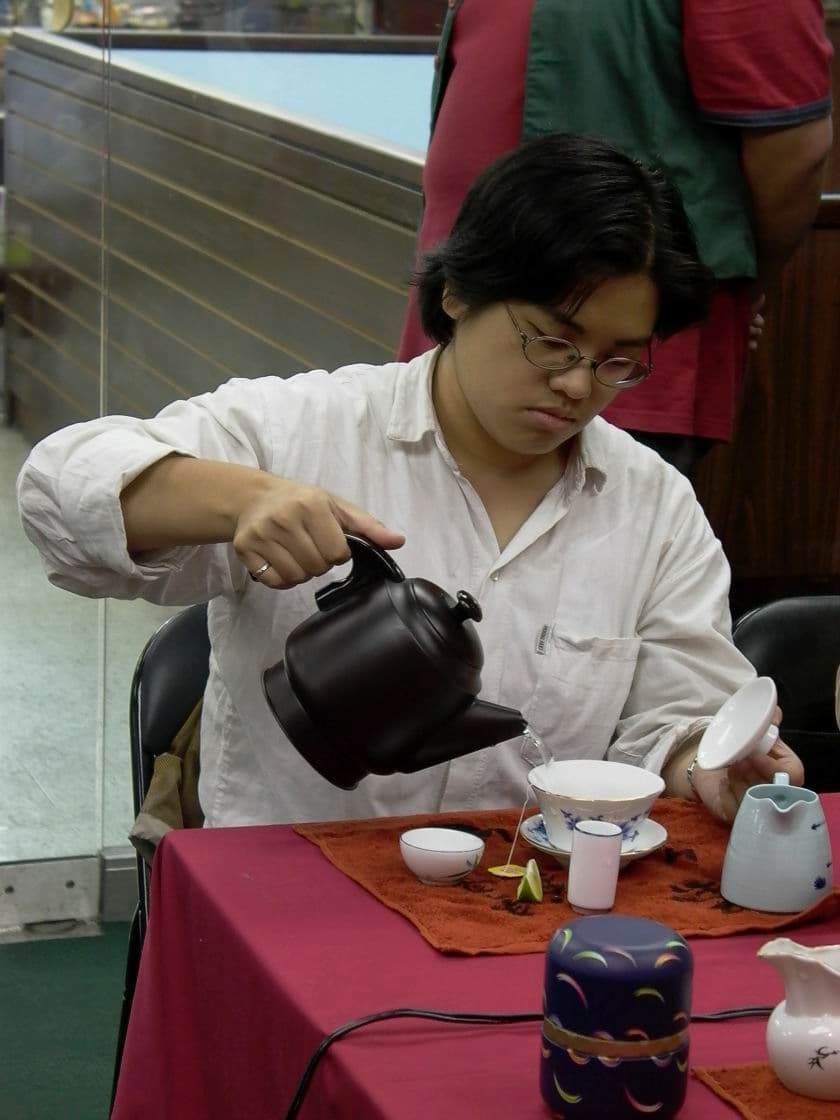
Low pour (低沖 / dī chōng): Pouring close to the water surface, minimizing turbulence. This gentler approach suits delicate teas whose aromatics might scatter with aggressive agitation.
Circular pour (繞圈注水 / rào quān zhù shuǐ): Moving the water stream in circles to wet all leaves evenly. This ensures no dry spots remain and promotes uniform extraction.
Point pour (定點注水 / dìng diǎn zhù shuǐ): Pouring in one fixed spot, letting the water's weight gently move the leaves. This minimalist approach suits very delicate teas.
Matching Technique to Tea
High mountain oolong (light oxidation): These fragrant teas benefit from gentle, low circular pours that preserve delicate aromatics. A high, splashing pour can scatter the ethereal top notes before you have a chance to appreciate them.
Roasted oolong: Heavier roasted teas can handle more vigorous pouring. A moderate-height circular pour helps the tightly rolled leaves open and encourages the roasted flavors to emerge.
Aged oolong: Aged teas often need encouragement to "wake up." A high pour on early infusions helps revive the leaves; later steeps can use gentler technique.
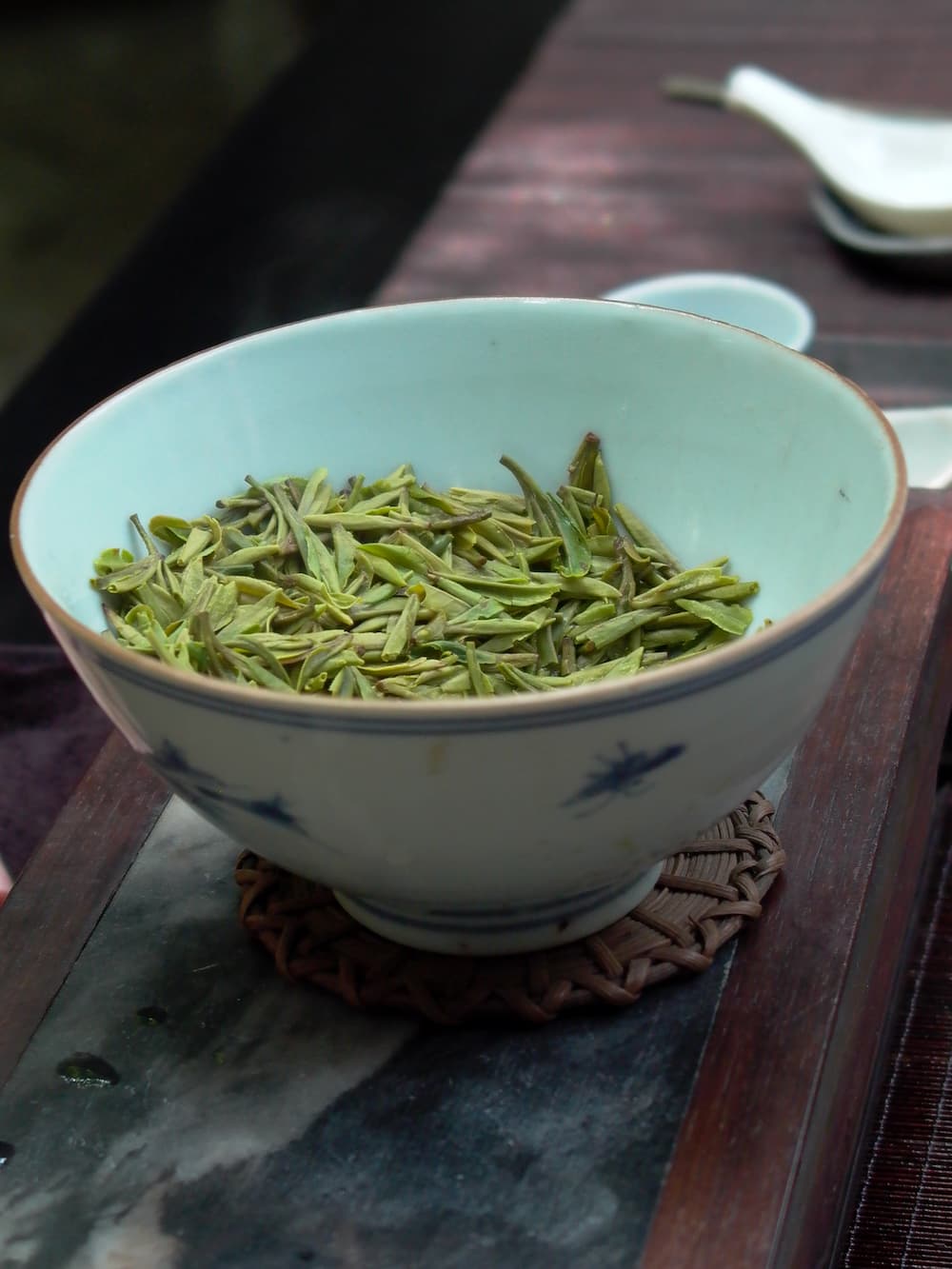
Delicate green tea: Very gentle, low pours protect the tender leaves from scalding. The water should embrace the leaves, not assault them.
The First Pour vs. Later Pours
The first infusion often benefits from more deliberate technique—the leaves are dry, tightly rolled, and need even wetting. Circular pours work well here, ensuring all leaves make contact with water simultaneously.
Later infusions, with leaves already open and saturated, require less careful technique. The extraction is already underway; your pour merely continues it.
Kettle Considerations
Your kettle affects what techniques are practical. A gooseneck kettle with a narrow, curved spout provides precise control—essential for refined pouring. A standard kettle with a wide spout makes precision difficult; you're limited to simpler techniques.
If you're serious about brewing, a proper gooseneck kettle is a worthwhile investment. The control it provides transforms pouring from a mechanical action into an expressive element of your practice.
Practice and Intuition
Like most tea skills, pouring technique develops through practice. Pay attention to how different pours affect your tea. Over time, you'll develop intuition: this tea wants a gentle touch; that one needs more vigor. The mechanical act becomes an expressive gesture, responsive to each tea's individual needs.
[INTERNAL LINK: Essential equipment for gongfu tea brewing]