Oolong tea belongs to the Qing Cha (青茶 / qīng chá) category—the semi-oxidized tea among China's six major tea types. Positioned between green tea and black tea, oolong captures the fresh fragrance of green tea and the mellow sweetness of black tea, while avoiding green tea's bitterness and black tea's astringency.
Qing Cha: One of the Six Tea Categories
Chinese tea is classified into six categories based on processing methods and oxidation levels: green tea (綠茶 / lǜchá), white tea (白茶 / báichá), yellow tea (黃茶 / huángchá), qing cha/oolong (青茶 / qīngchá), black tea (紅茶 / hóngchá), and dark tea (黑茶 / hēichá). Oolong represents the qing cha category, also known as semi-oxidized tea.
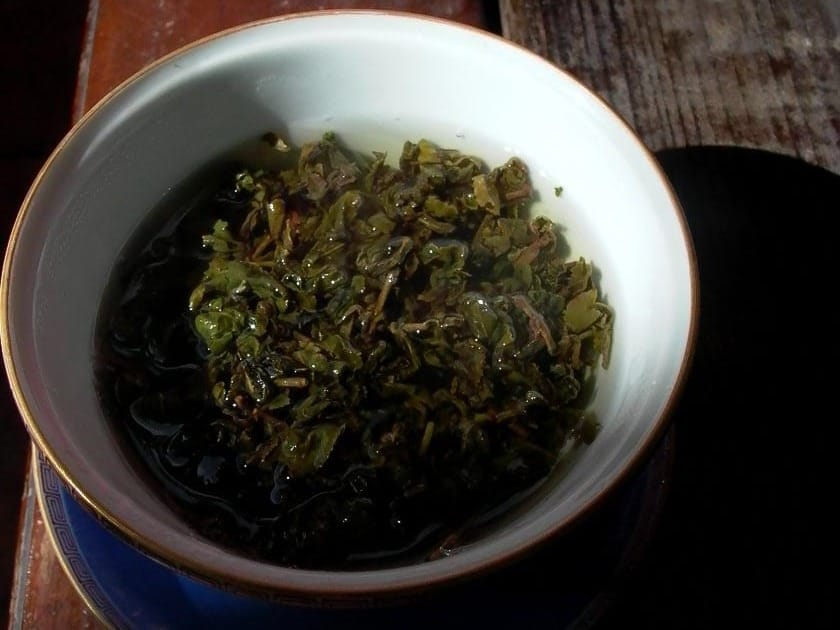
Qing cha undergoes moderate oxidation through a series of processes: withering (萎凋 / wěidiāo), oxidation, kill-green (殺青 / shāqīng), rolling (揉捻 / róuniǎn), and roasting (烘焙 / hōngbèi). The finished leaves display a greenish-brown color, brew into bright golden liquor, and typically show the characteristic "green leaves with red edges" (綠葉紅鑲邊 / lǜyè hóng xiāngbiān) with rich floral fragrance.
The Special Position of Semi-Oxidized Tea
Oolong's oxidation level falls between unoxidized green tea and fully oxidized black tea, with catechin oxidation typically ranging from 8-20%. This partial oxidation allows oolong to combine the advantages of both: preserving the tea leaf's natural aroma while developing the mellow depth that comes from oxidation.
The semi-oxidation technique represents a major breakthrough in tea history, marking the evolution from green tea processing to qing cha craftsmanship. This method creates oolong's distinctive "green leaves with red edges" appearance and releases its characteristic fresh floral fragrance.
The Unique Craftsmanship of Oolong Processing
Oolong production requires remarkably complex craftsmanship, demanding precise control of time and temperature. During indoor withering, tea masters periodically agitate the leaves to encourage partial oxidation at the leaf edges. This process requires extensive experience to achieve the ideal oxidation level—neither too light nor too heavy.
Unlike green tea's "pan-fired without roasting" approach or black tea's complete oxidation, oolong employs a "combined firing and roasting" method. The goal is to preserve the tea's fresh fragrance while fully expressing the mellow sweetness that oxidation produces.
Historical Development
The emergence of oolong tea represents an important milestone in tea-making history. According to historical records, oolong tea appeared around the 17th-18th century, initially developing in the Wuyi Mountains (武夷山 / Wǔyí Shān) and Anxi (安溪 / Ānxī) regions of Fujian Province. Qing Dynasty documents contain detailed records of oolong processing techniques.
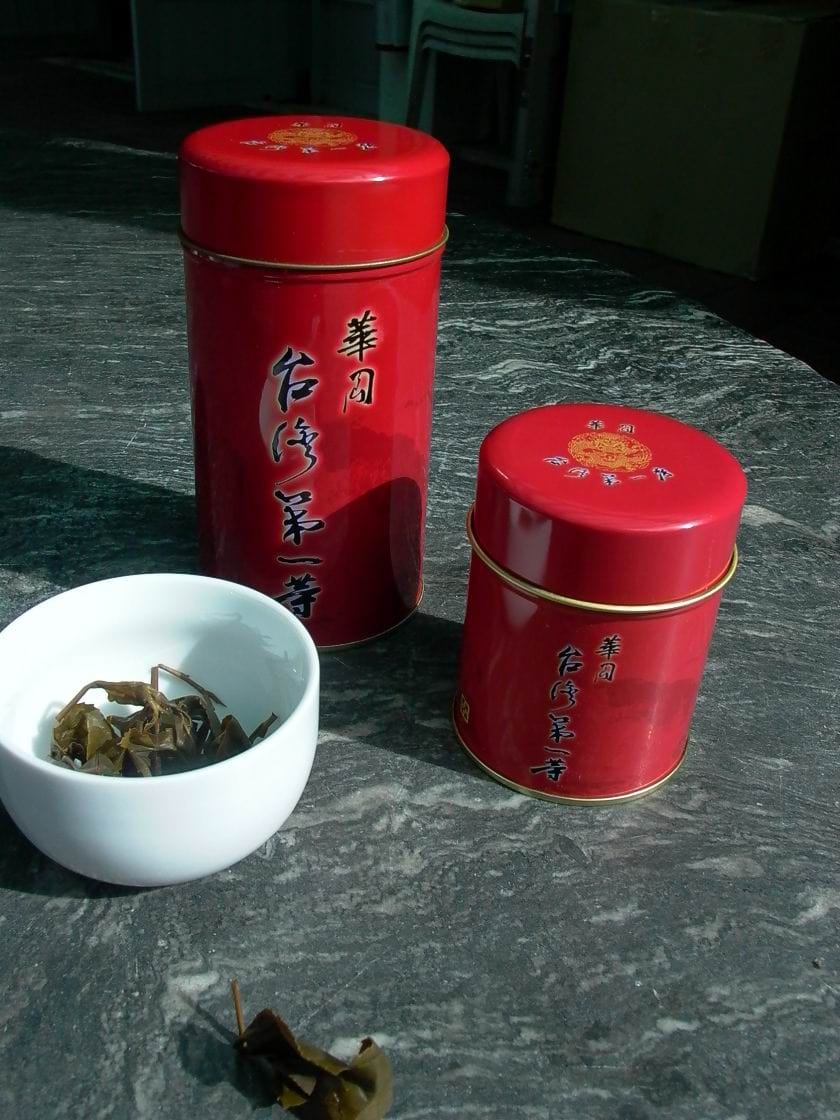
From Fujian, oolong tea spread to Taiwan in the 19th century, where it developed distinctive local variations. Taiwan's unique climate and terrain conditions gave rise to new oolong styles, from heavily roasted Dong Ding to lightly oxidized high-mountain varieties.
Regional Variations
Today, major oolong-producing regions each have distinctive styles:
Fujian, China: Home to rock oolongs (岩茶 / yánchá) from Wuyi Mountains and Tieguanyin (鐵觀音 / Tiěguānyīn) from Anxi.
Guangdong, China: Known for Phoenix Dan Cong (鳳凰單叢 / Fènghuáng Dāncōng) with its distinctive aromatic varieties.
Taiwan: Produces diverse styles including Dong Ding (凍頂), Alishan high-mountain oolong, and Oriental Beauty (東方美人 / Dōngfāng Měirén).
Conclusion
Understanding that oolong belongs to the qing cha category helps tea enthusiasts appreciate its unique position in the tea world. As a semi-oxidized tea, oolong bridges the gap between green and black tea, offering a complexity and range of flavors unmatched by other categories. This classification reflects not just processing methods but centuries of craftsmanship evolution.