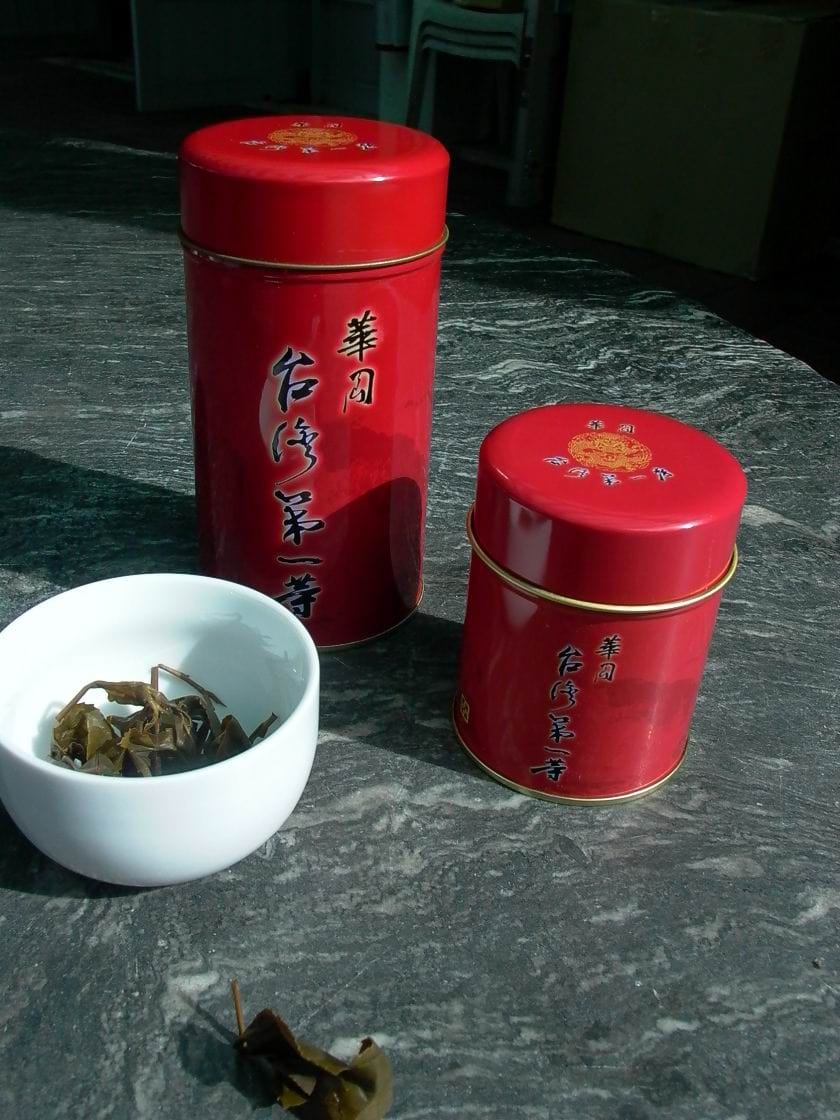
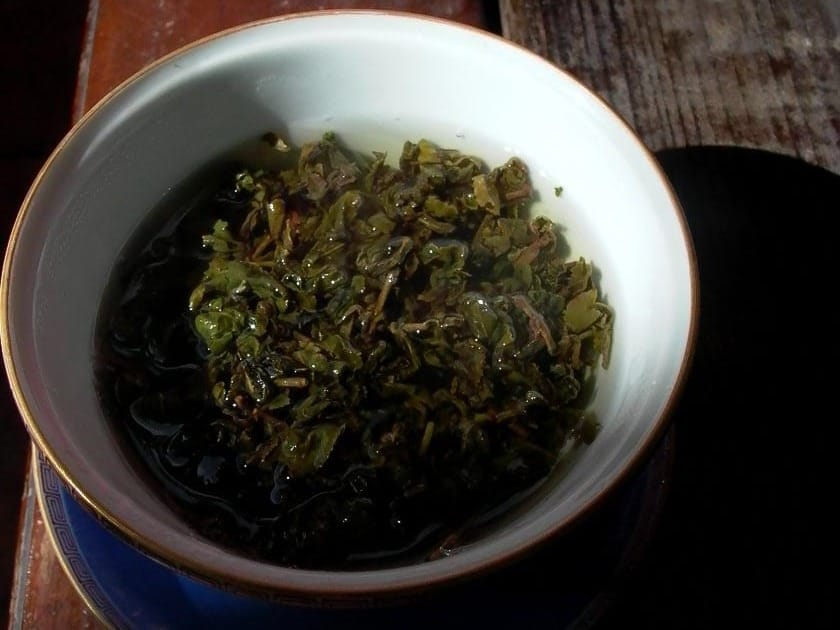
Oolong tea (烏龍茶 / Wūlóng Chá) occupies a unique position in the tea world—neither green nor black, but something wonderfully in between. Its special characteristics come from partial oxidation, complex processing, and centuries of refined craftsmanship. Here's what makes oolong truly distinctive.
The Semi-Oxidation Advantage
Oolong's defining feature is partial oxidation, typically ranging from 15% to 85%. This middle ground creates flavor complexity impossible in fully oxidized (black) or unoxidized (green) teas. The same tea leaves can produce dramatically different oolongs depending on oxidation level.
Light oxidation (15-30%) yields floral, creamy notes reminiscent of green tea but with added depth. Heavy oxidation (60-85%) produces rich, fruity flavors approaching black tea but retaining distinctive oolong character.
Processing Complexity
Oolong requires more processing steps than any other tea type: withering, tossing/bruising, oxidation, kill-green, rolling, and roasting. Each step offers adjustment opportunities, making oolong the most craft-intensive tea category.
This complexity explains why master oolong producers are highly respected. Small processing variations create significant flavor differences—a challenge that rewards expertise.
Flavor Range
No other tea category offers oolong's flavor diversity. Within "oolong" you'll find: buttery, milk-like Jin Xuan (金萱 / Jīnxuān); intensely floral Alishan high-mountain; rich, roasted Dong Ding; honey-sweet Oriental Beauty; and mineral-driven Wuyi rock oolongs.
Brewing Versatility
Quality oolong withstands multiple infusions—often 5-8 steepings from the same leaves. Each infusion reveals different flavor aspects, making oolong ideal for gongfu-style brewing sessions. This re-steeping ability also makes oolong economical despite higher per-gram prices.
Health Benefits
Oolong's partial oxidation preserves significant catechins (antioxidants) while creating unique polyphenol compounds. Research suggests oolong may support metabolism, cardiovascular health, and cognitive function—benefits combining green and black tea advantages.
Conclusion
Oolong's special status comes from its position between extremes—capturing complexity through partial oxidation, rewarding craftsmanship through processing demands, and offering unmatched variety within a single category. For tea enthusiasts seeking depth and discovery, oolong delivers endlessly.