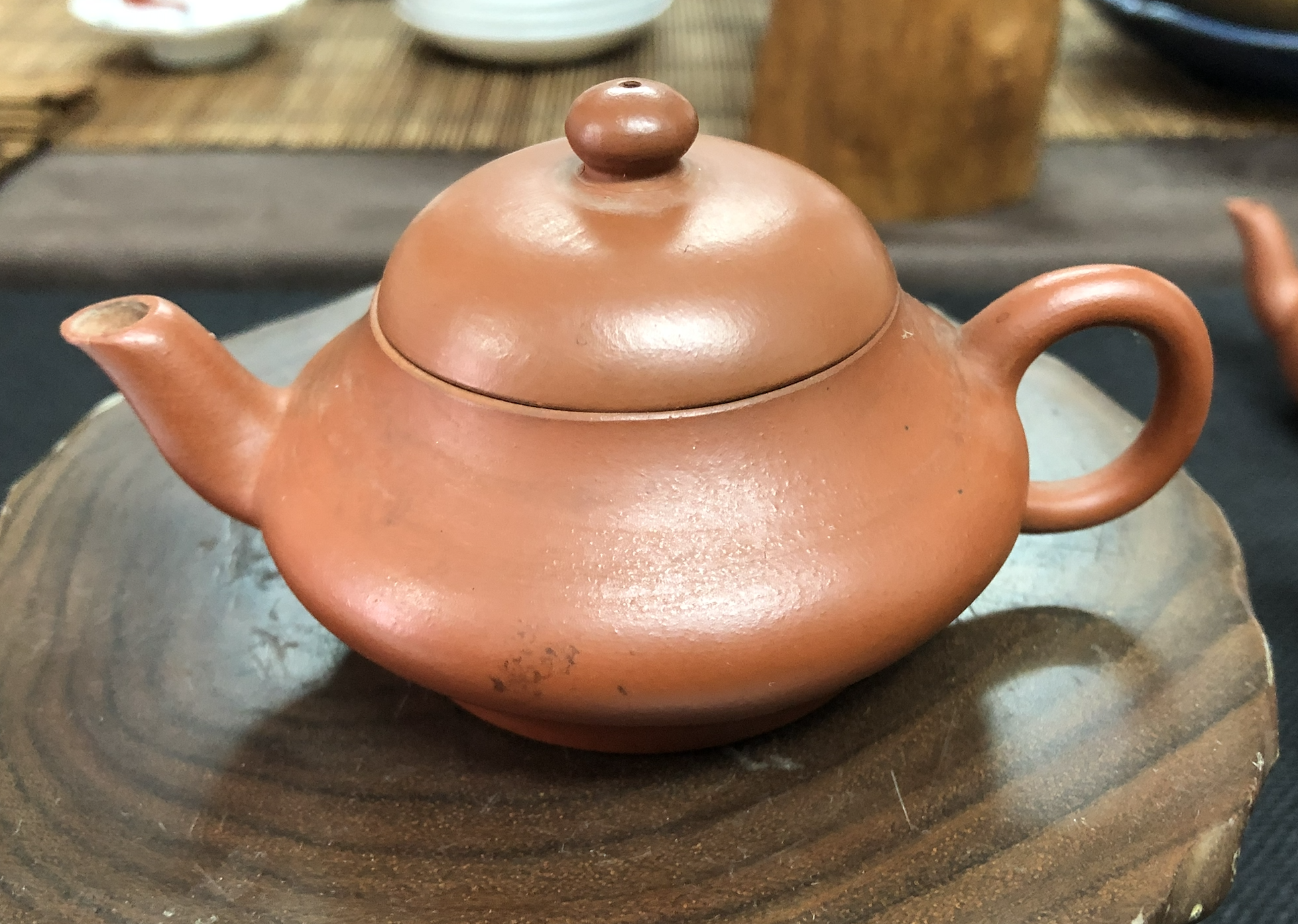
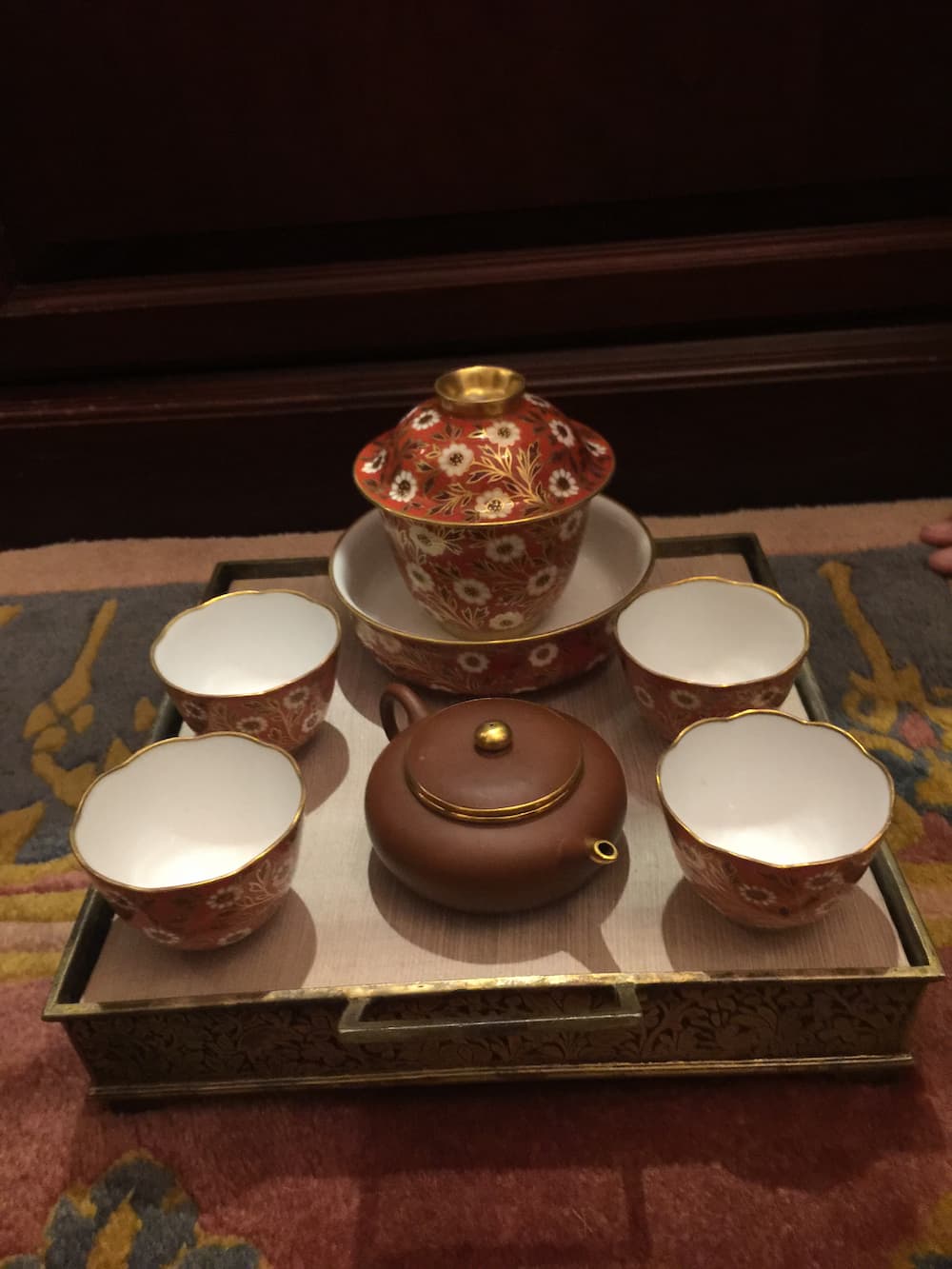
In the world of Yixing teapots, few names carry more weight than Hui Mengchen (惠孟臣 / Huì Mèngchén). Pots bearing his mark command premium prices and collector reverence. But here's the uncomfortable truth: most "Hui Mengchen" pots are not what they claim to be.
The Historical Hui Mengchen
Hui Mengchen was a renowned potter during the late Ming Dynasty (approximately 1620-1680). His small, elegant pots became highly prized, particularly for brewing Gongfu-style tea. Historical records praise his craftsmanship, though details about his life remain scarce.
The Proliferation Problem
Within decades of Hui Mengchen's death, his maker's mark (款識 / kuǎnshí) began appearing on pots he couldn't possibly have made. The practice continued through subsequent centuries—and continues today. Some estimates suggest 99% of "Hui Mengchen" marked pots are reproductions.
Why Fakes Persist
Several factors perpetuate the Hui Mengchen mark's misuse: consumer desire for prestigious names; lack of authentication infrastructure; the mark's simplicity making reproduction easy; and a culture that sometimes views reproduction as homage rather than fraud.
How Experts Authenticate
Genuine Ming-era Hui Mengchen pots (if any survive) would show: specific clay characteristics from that period; construction techniques consistent with Ming methods; appropriate wear patterns; and provenance documentation. The mark alone proves nothing.
A Collector's Approach
Wise collectors focus on pot quality rather than maker claims. A well-made modern pot honestly sold offers more value than a fake "antique" at inflated prices. The Hui Mengchen name has become more about style than attribution—"Hui Mengchen style" small pots may honor his legacy without claiming false provenance.
Conclusion
The Hui Mengchen mystery reflects broader challenges in Yixing authentication. Rather than chasing famous names, collectors benefit from developing clay knowledge, construction appreciation, and relationships with trustworthy dealers. The pot in your hand matters more than the mark on its bottom.