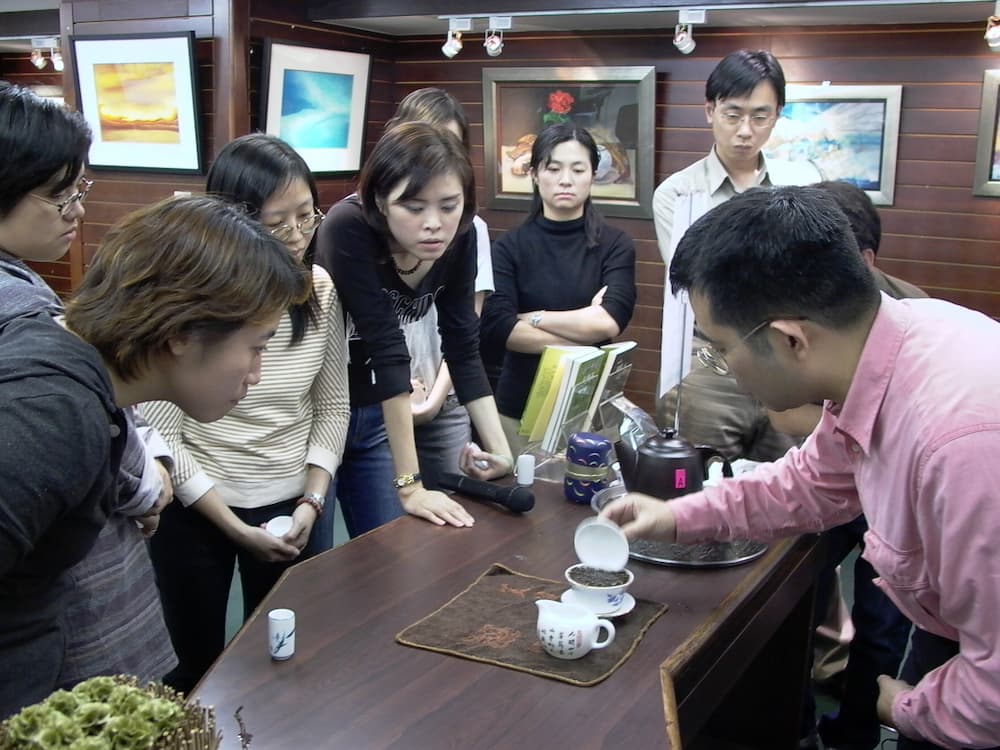
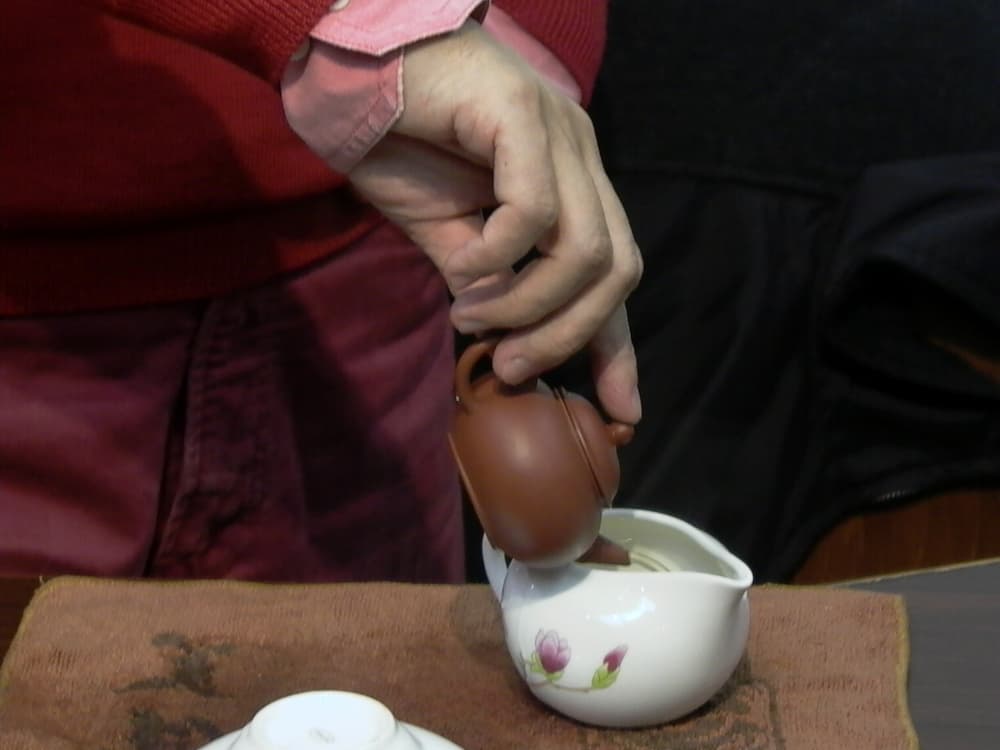
Have you ever wondered why the same tea leaves taste so much better at a tea house than at home? The problem might not be your tea or your teaware—it might be that you don't know how to boil water properly. Boiling water seems simple, but there's real skill involved. Water that's been boiled too long loses its vitality; water that hasn't boiled enough can't fully extract the tea's flavor. How do you brew high mountain oolong so that it releases all its fragrance and sweetness? The key lies in your water-boiling technique and equipment.
Good Water Poorly Treated Is Wasted Water
The pure, clean taste of high mountain oolong comes not just from the tea's inherent cultivation, but also from the perfect partnership between tea and water. However, even if you start with excellent water but don't treat it properly—boiling it until all its vitality is gone—your efforts will be wasted.
The key to boiling water well lies in observing whether the water is "tender" or "old." While the experiences recorded by our ancestors in classical texts may be difficult for modern people to fully replicate, there are still principles we can follow. Want to know how to judge if your water is too young or too old? Let me share a simple, practical method: listening to the water.
Keep Water Tender, Avoid Overboiling: First Boil Is Best
The principle of boiling water is straightforward: aim for tender, avoid old. Water at its first boil is the most tender and best suited for brewing tea. But what exactly is the "first boil"? How do you know when water has reached this stage?
Here's a practical technique: when boiling water on a gas stove, don't use high heat throughout. Start with low heat, increase to high in the middle stage, and immediately turn off the flame when small bubbles appear. This fire control keeps the water at its optimal vitality.
Listen to the Water: Judging Tenderness by Sound
An even simpler method is to listen to the water. When your kettle produces a flowing water sound and you see bubbles rolling like "crab eyes" (蟹眼 / xiè yǎn), the water is ready for tea.
This "crab eyes" description is wonderfully apt—small, dense bubbles roll through the water like the eyes of a crab. This is the state of the first boil. At this moment, the water temperature is just right and vitality is at its peak—perfect for bringing out high mountain oolong's fragrance and flavor.
What Happens When Water Gets "Old"?
If you continue heating past the first boil, the water enters the second and third boil stages. The bubbles grow larger and more vigorous, and the rolling becomes more turbulent. This is what tea masters call "old water" (老水 / lǎo shuǐ).
Old water has lost much of its dissolved oxygen, making it "flat" and lifeless. Tea brewed with overboiled water often tastes dull and lacks the bright, lively character that fresh water produces. The delicate aromatics of high mountain oolong, in particular, suffer when brewed with tired water.
The Classical Wisdom: Stages of Boiling
Ancient Chinese tea texts described three stages of boiling with poetic precision: fish eyes (魚眼 / yú yǎn), crab eyes (蟹眼 / xiè yǎn), and rolling waves (滾沸 / gǔn fèi). Fish eyes—the very first tiny bubbles—indicate water around 70-80°C. Crab eyes mark approximately 80-90°C. Rolling waves signal a full, vigorous boil above 95°C.
For most high mountain oolongs, the crab eye stage is ideal. The water is hot enough to extract flavor fully, yet still retains the dissolved gases that give it liveliness. Some heavily roasted oolongs can handle water from the rolling wave stage, but lighter, more fragrant varieties benefit from the gentler crab eye temperature.
Practical Tips for Home Brewing
At home, keep your kettle lid slightly open or use a kettle with a whistle that alerts you early. Pay attention to the sounds and watch for visual cues. With practice, you'll develop an intuitive sense for when your water is perfectly ready.
Remember: it's better to catch your water slightly early and let it cool a moment than to overboil and lose that precious vitality. Your high mountain oolong will reward your attention with fuller fragrance and sweeter, more vibrant flavor.
[INTERNAL LINK: Complete guide to water temperature for different tea types]