
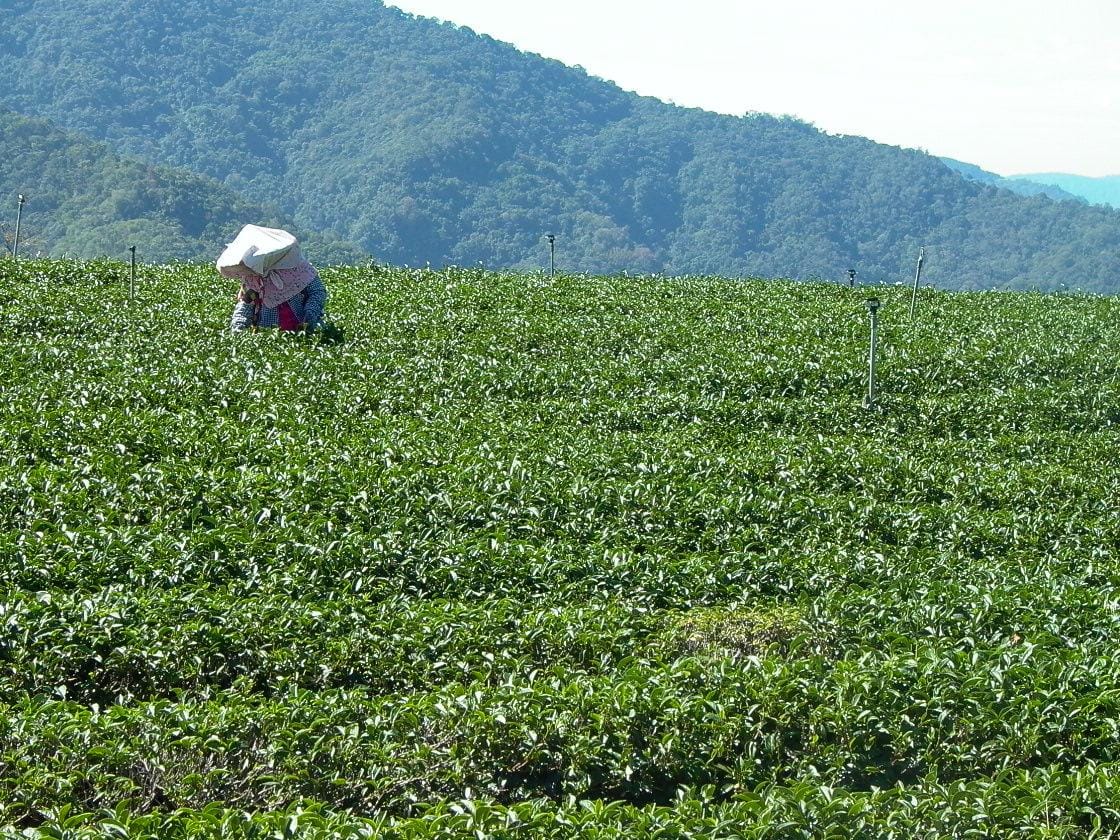
In Taiwan's tea world, elevation isn't just a number—it's a flavor predictor. Tea grown at 600 meters tastes fundamentally different from tea at 1,600 meters. But why? What happens between these elevations that transforms tea character so dramatically?
Understanding the altitude code unlocks the secrets of high mountain tea pricing, flavor profiles, and why tea enthusiasts obsess over growing elevation.
The Science of Altitude and Tea
As elevation increases, several environmental factors change simultaneously: temperature drops, UV radiation increases, humidity patterns shift, and atmospheric pressure decreases. Each factor influences how tea plants grow and what compounds they produce.
Lower temperatures slow leaf growth, allowing more time for flavor compounds to develop. Increased UV radiation triggers protective compound production—the same compounds that create tea's complexity. Reduced oxygen at altitude affects fermentation during processing.
The 1000-Meter Threshold
Taiwan's tea industry recognizes 1,000 meters as the official high-mountain tea threshold. Below this elevation, tea cannot carry the "high mountain" designation regardless of quality. This isn't arbitrary—it reflects measurable differences in growing conditions and resulting tea character.
Tea grown above 1,000 meters typically shows: lighter, more ethereal aromatics; sweeter, less astringent taste; softer, more delicate texture; and greater brewing endurance.
Why Higher Isn't Always Better
While elevation generally correlates with quality, the relationship isn't linear. Extremely high elevations (above 2,000 meters) can stress plants excessively, reducing yields without proportional quality gains. The "sweet spot" for most Taiwan oolong varieties falls between 1,200-1,800 meters.
Terroir Beyond Altitude
Elevation interacts with other terroir factors: soil composition, aspect (sun exposure direction), surrounding vegetation, and local microclimate. Two gardens at identical elevation can produce markedly different teas based on these variables.
Experienced tea buyers consider elevation as one factor among many, not as a sole quality indicator.
Conclusion
The altitude code helps explain high mountain tea's premium pricing and distinctive character. But true appreciation requires tasting across elevations, noting how the same cultivar expresses differently at 800, 1,200, and 1,600 meters. That comparative experience reveals what numbers alone cannot convey.


