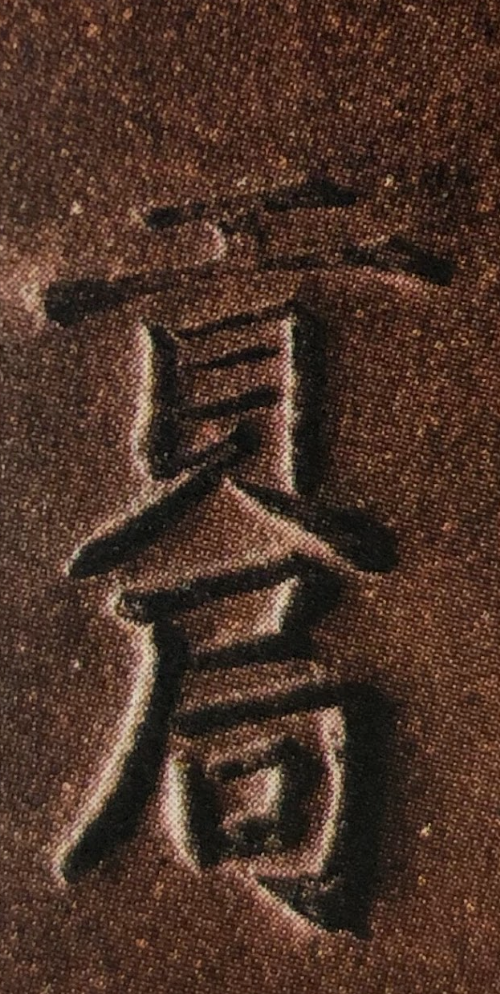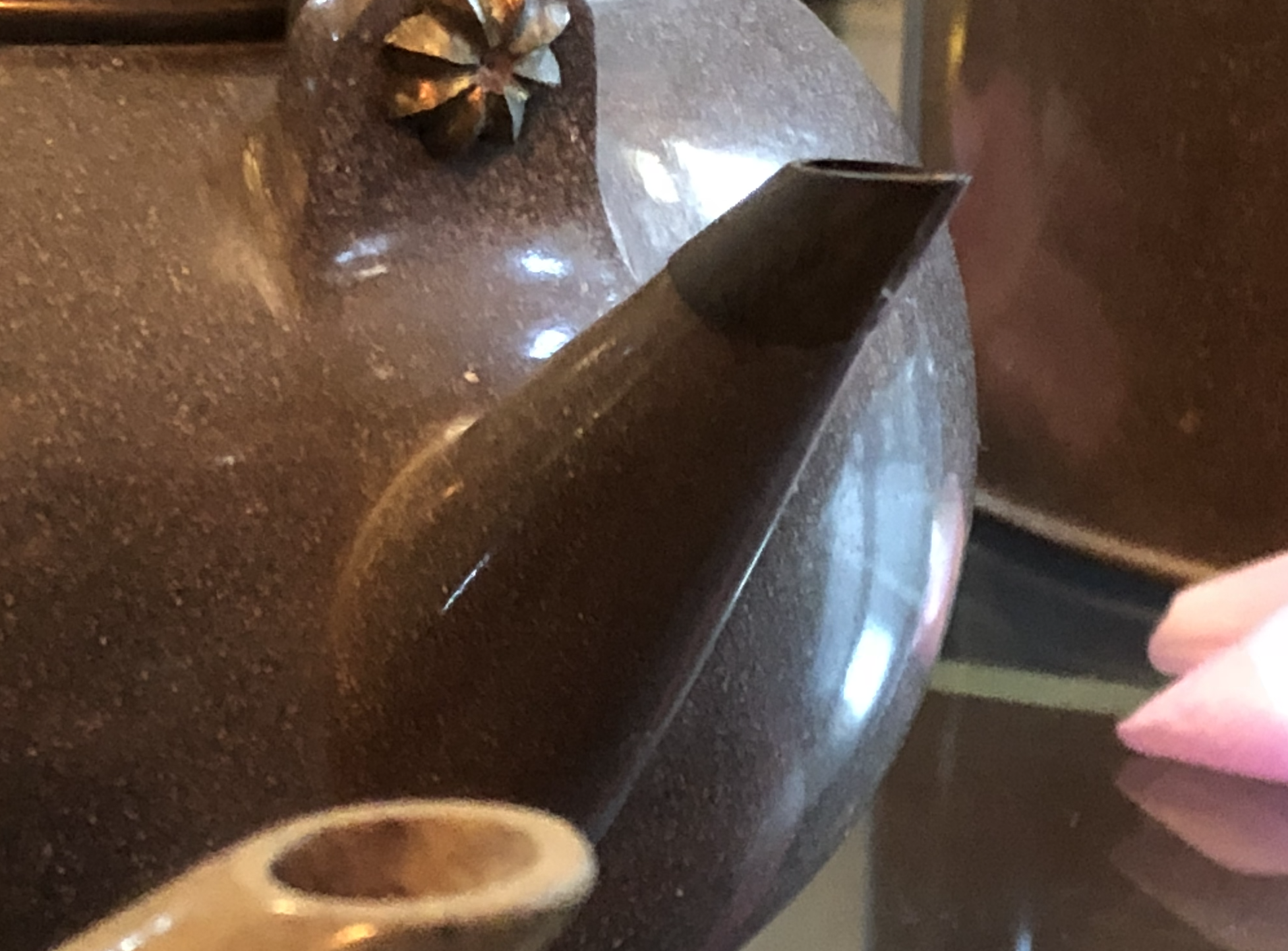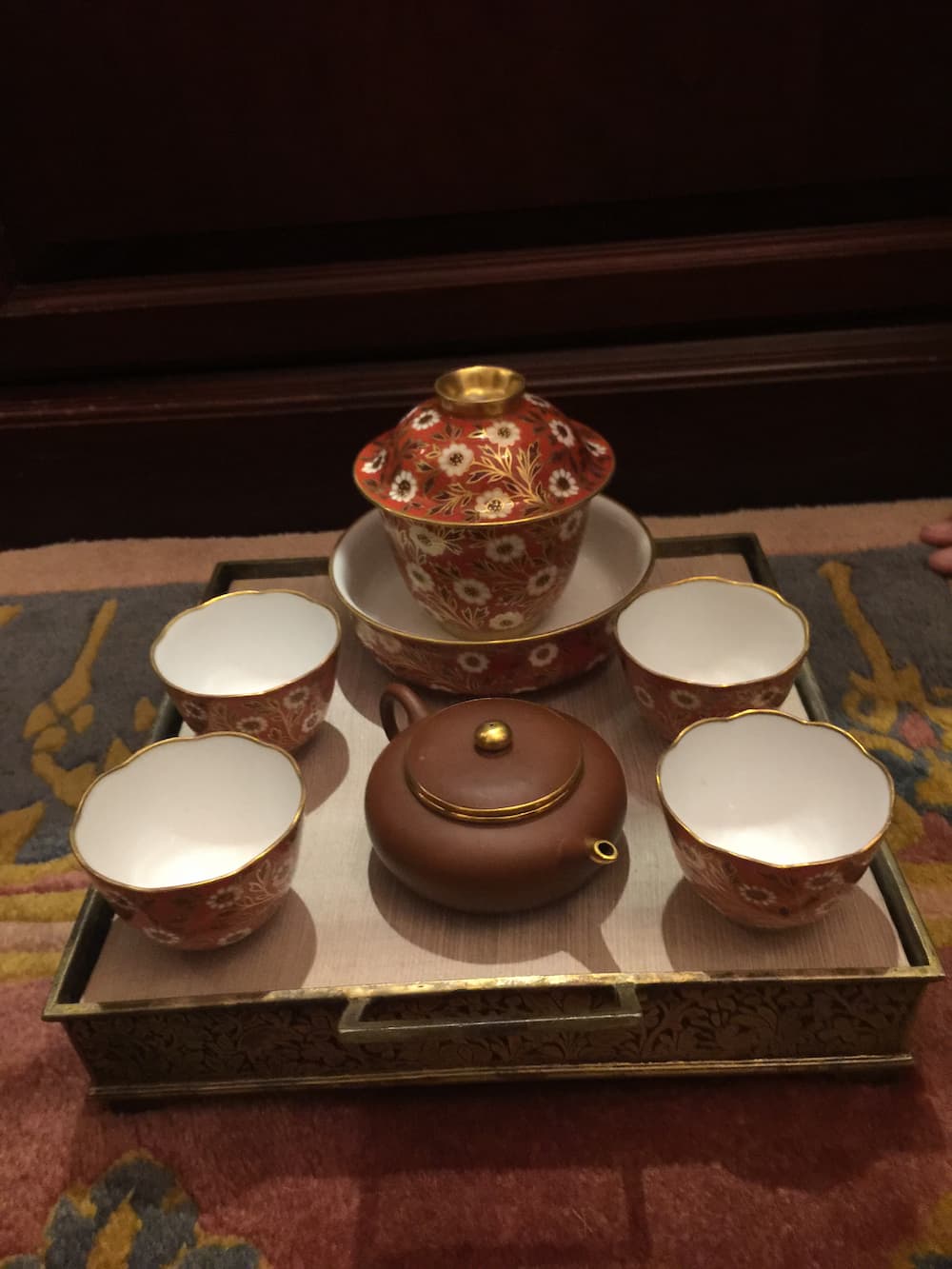
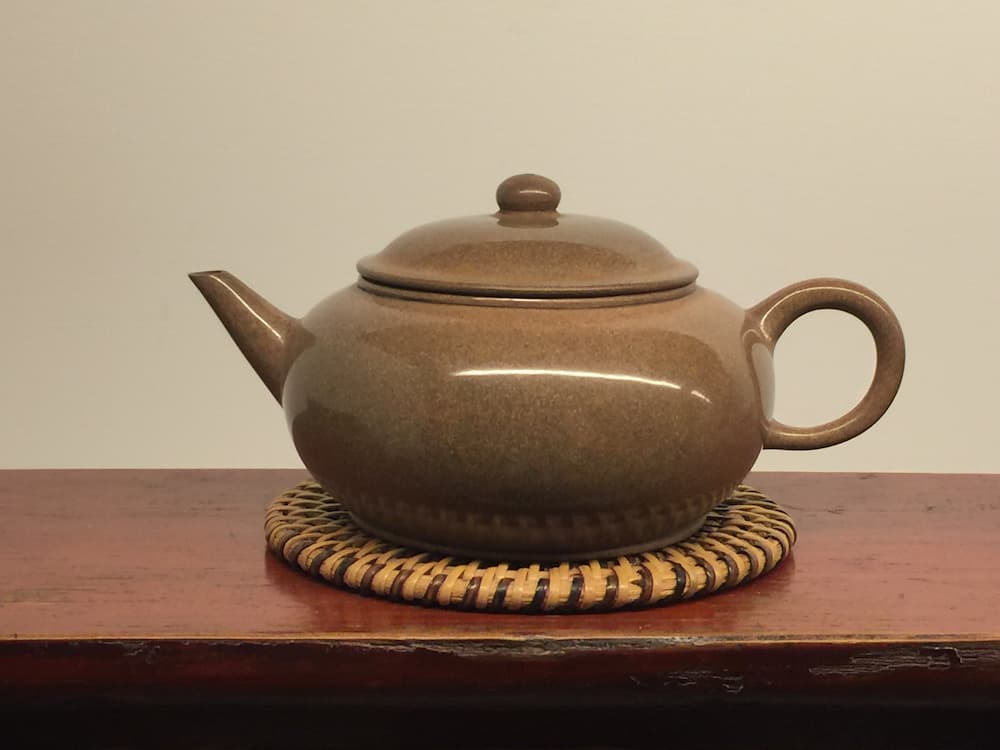
Among the most prized Yixing teapots are those with water-polished surfaces (水磨壺 / shuǐmó hú) so refined they reflect like mirrors. The Thai royal family's collection includes outstanding examples of this demanding craft. What makes these pots special, and how is such finish achieved?
The Water-Polishing Technique
Water polishing involves progressively finer abrasives applied with water lubrication to achieve surfaces of extraordinary smoothness. Unlike glazed ceramics that gain shine from glass coatings, water-polished Yixing derives its luster from the clay itself—compressed and smoothed to near-microscopic flatness.
Why Thai Royalty Collected Them
Thai royal interest in Chinese teaware dates to extensive trade relationships. Water-polished pots became prestige items—their labor-intensive production ensuring rarity, their surfaces demonstrating wealth sufficient to acquire such luxuries. Royal collections accumulated exceptional pieces over generations.
The Production Challenge
Creating a mirror-finish pot requires: clay selection for appropriate density; careful forming to avoid subsurface flaws; initial firing to precise hardness; and hours of graduated polishing—first with coarse materials, progressing through increasingly fine abrasives until the surface reaches optical smoothness.
Distinguishing Authentic Pieces
Genuine water-polished pots show: depth of luster from within the clay rather than surface coating; consistent finish in recessed areas accessible only by hand; microscopic polish patterns under magnification; and a tactile quality distinct from machine buffing.
Modern Production
Few contemporary potters maintain water-polishing skills. The technique's labor demands make it economically unviable for commercial production. Those who persist do so for artistic satisfaction rather than profit—producing small numbers of exceptional pieces for discerning collectors.
Conclusion
Thai royal water-polished pots represent Yixing craftsmanship at its most demanding. Their mirror surfaces required patient labor that modern economics rarely supports. These pieces connect us to an era when time and skill, rather than just technology, defined excellence.