Walking into a tea shop to make a purchase, you watch as the vendor brings out an elaborate set of beautiful teaware. Have you ever thought, "I just want to taste the tea—does it really need to be this complicated?" In truth, insiders know a secret: to discover a tea's true character, all you need is a simple porcelain spoon. This unassuming little tool is actually a powerful instrument for evaluating tea quality.
The Porcelain Spoon: A Humble Yet Mighty Tasting Tool
This small implement is a consumer's secret weapon for evaluating aroma and tasting tea liquor. You don't need expensive professional teaware or complex brewing procedures—just an ordinary porcelain spoon allows you to quickly assess tea quality right there in the shop.
Why porcelain? Because porcelain doesn't absorb aromas or flavors, presenting the tea liquor in its truest form. Scoop up some tea with a porcelain spoon, first smell the aroma, then taste the liquor—and you can rapidly grasp the essential characteristics of any tea.
Want to learn more techniques for using porcelain to evaluate tea? Let me explain why every tea competition in Taiwan uses porcelain, and how you can use the simplest methods to reveal a tea's true nature.
No Competition Set? A Porcelain Bowl Works Just as Well
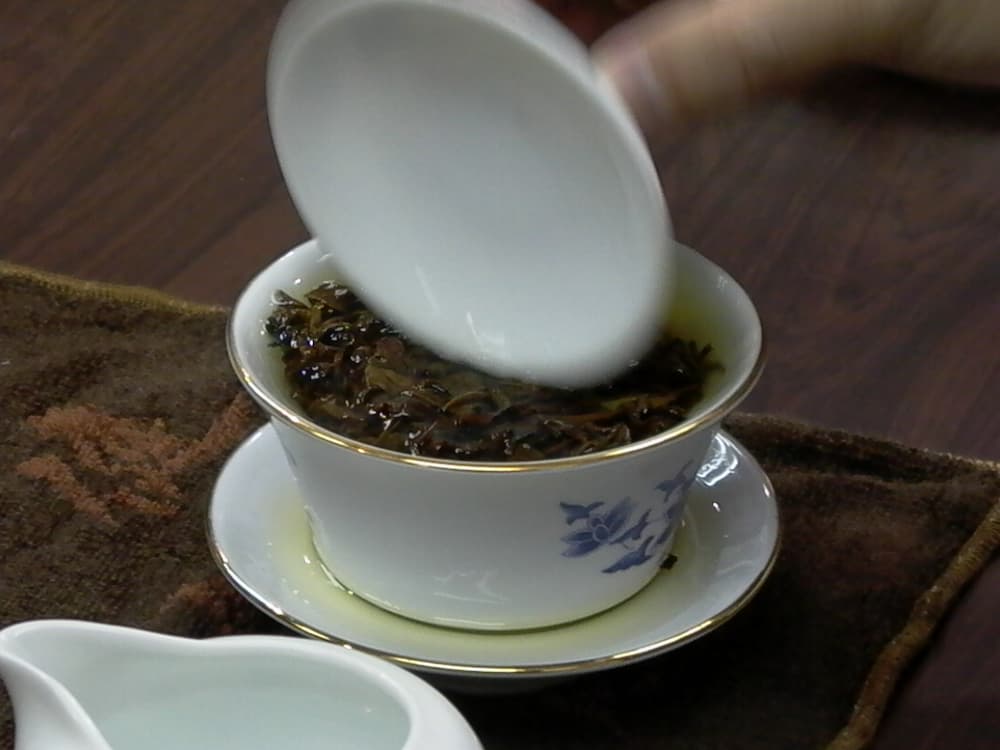
Of course, if you don't have official competition teaware, a simple porcelain bowl can also reveal a tea's true character. Place three grams of tea in the bowl and brew with water at 100°C. Watch as the tea and water tumble and dance together, releasing that distinctive fragrance born of high mountain cultivation straight to your nose.
This method is simple and direct, yet effectively tests tea quality. High-temperature brewing allows the leaves to fully unfurl, clearly presenting the liquor's color, aroma, and flavor. If it's good tea, even the simplest brewing method will showcase its inherent quality.
Why Every Taiwan Competition Uses Porcelain—Insiders Know
If you're still unsure whether porcelain really makes a difference, consider this: every official tea competition across Taiwan uses standardized porcelain sets. This isn't arbitrary tradition—it's based on sound reasoning.
Competition judges need a neutral medium that won't interfere with their evaluation. Porcelain's non-porous surface ensures that nothing from previous brews influences the current tasting, and that the tea's own characteristics—whether virtues or flaws—come through clearly and honestly.
The Spoon Technique: How to Taste Like a Pro
Here's how to use the porcelain spoon technique effectively: After the tea has steeped, use the spoon to scoop a small amount of liquor. First, bring it close to your nose and inhale gently, noting the aroma's intensity, clarity, and any specific fragrance notes.
Next, sip the liquor from the spoon. Let it spread across your tongue, paying attention to the initial taste, the body in the middle, and the finish. Good tea reveals itself in layers—there should be depth and complexity, not just a single flat note.
Finally, observe the hui gan (回甘 / huí gān)—the returning sweetness that emerges after you swallow. Quality high mountain oolong produces a lasting, pleasant sweetness that seems to rise from the throat. This afterglow is often the clearest indicator of genuine quality.
Practical Application: Shopping with Confidence
Next time you visit a tea shop, don't be intimidated by elaborate brewing rituals. Politely ask if you might taste the tea using a simple porcelain spoon or bowl. Any reputable vendor will accommodate this request—in fact, they'll likely respect your knowledge of proper evaluation technique.
This approach levels the playing field. Without the theater of elaborate gongfu service, you're tasting the tea itself, not the vendor's performance. Your purchase decision will be based on the tea's actual merit, not on how impressively it was presented.
[INTERNAL LINK: How to evaluate tea quality like a professional]