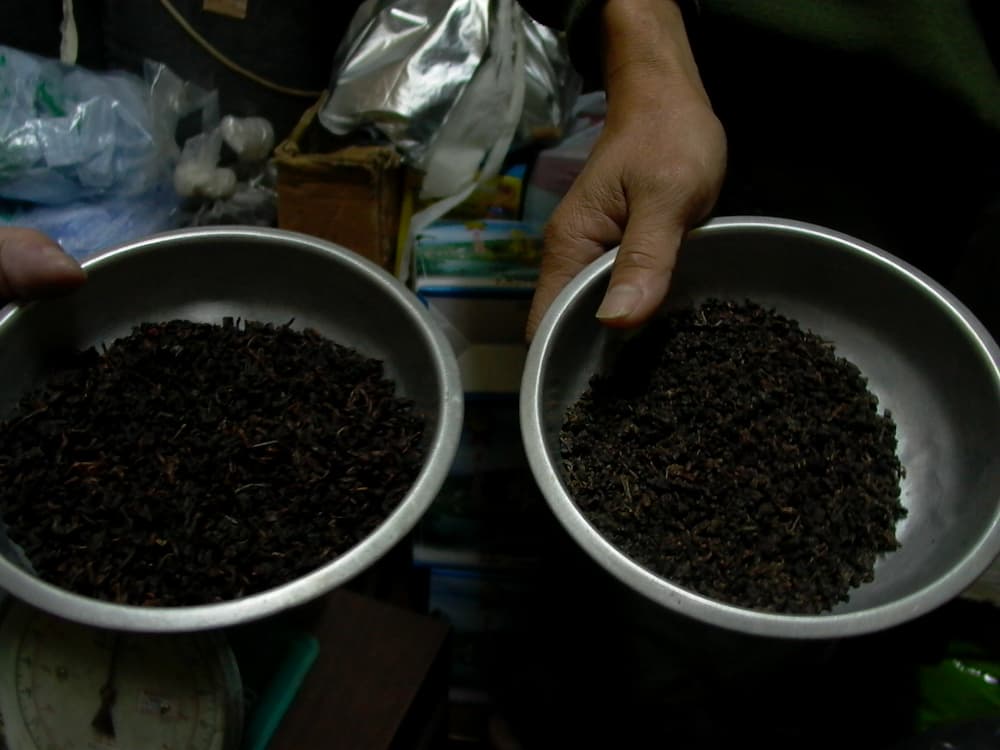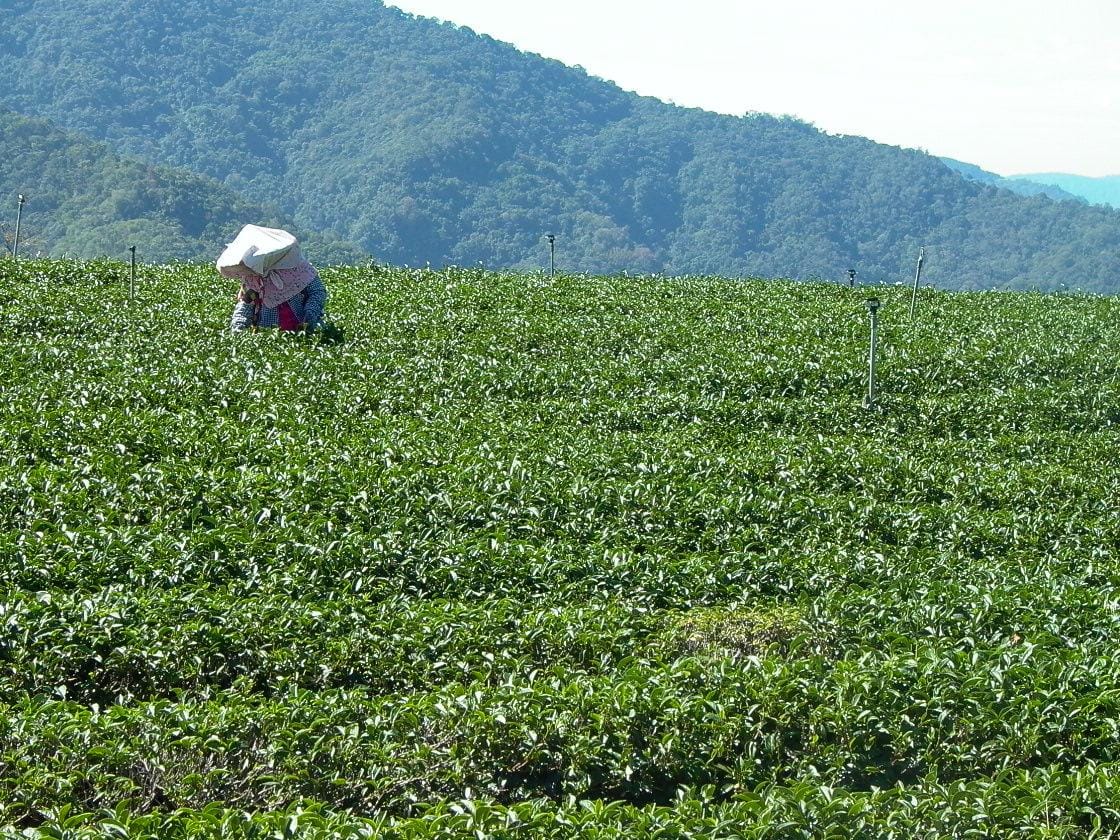
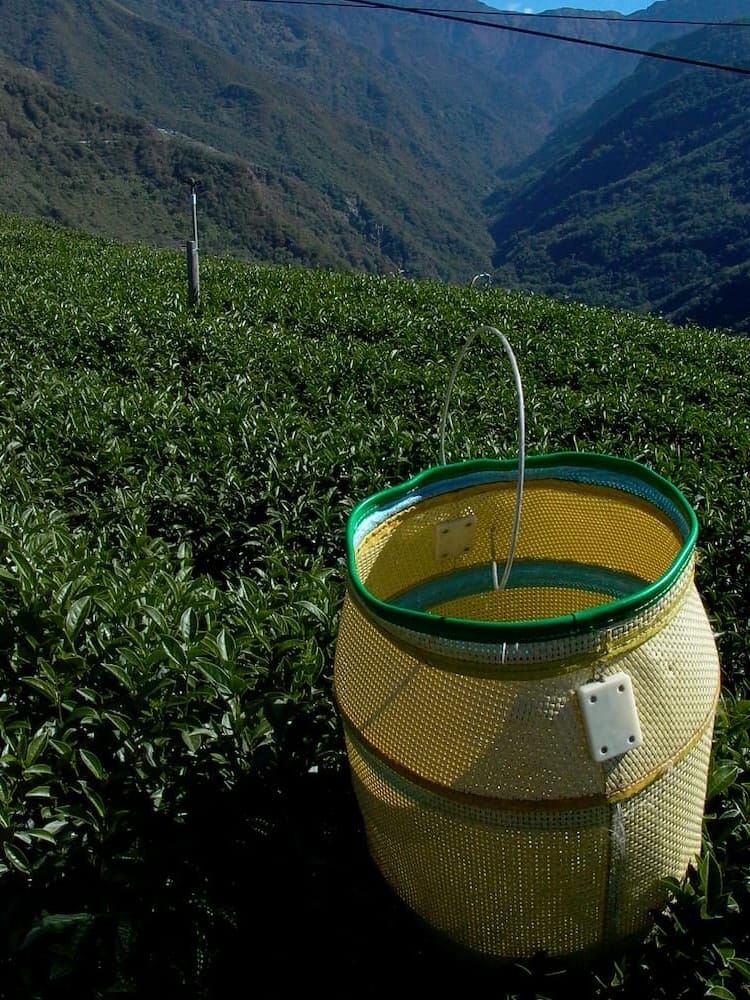
When shopping for high mountain tea, have you ever heard a vendor say, "This tea has a distinctive shan tou qi"? What exactly does this mysterious-sounding term mean? In truth, "shan tou qi" (山頭氣 / shān tóu qì)—literally "mountain head energy" or "mountain character"—isn't some vague poetic flourish. It's the most crucial tasting indicator for distinguishing authentic high mountain tea from imitations. Master this concept, and your own palate becomes your best defense against overpaying for misrepresented tea.
Shan Tou Qi: A Tea's Identity Card
Shan tou qi refers to the unique flavor characteristics that tea leaves develop by absorbing nutrients from their specific terroir. This flavor profile varies according to the soil composition and climate of each tea-growing region—like a fingerprint, each mountain imparts its own distinctive "geographic signature" to the tea.
To discern the shan tou qi of different teas, you'll need to invest time building tasting experience and carefully recording your impressions from each session. This isn't a skill mastered overnight, but once you develop it, you'll be able to quickly identify a tea's true origin among countless offerings.
Want to understand shan tou qi through the lens of soil characteristics? Let me guide you through the concept of "know the soil, know the tea" (知土知茶 / zhī tǔ zhī chá) and explore the secrets of Taiwan's high mountain tea regions.
Know the Soil, Know the Tea: Reading Character Through Terroir
The first key to understanding shan tou qi is learning about the soil characteristics of tea-growing areas. Take the Alishan Highway as an example: Provincial Highway 18 (Alishan Highway) and Provincial Highway 21 (New Central Cross-Island Highway, Yushan Line) each have distinct soil compositions along their routes.
Near kilometer marker 70.5 on Highway 18, the rock formation consists of interlayered dark gray shale and sandstone. The shale even contains fossils of shellfish, brachiopods, and crabs. Between kilometers 65 and 67, the terrain features primarily sandstone interlayers with sedimentary structures. These geological characteristics profoundly influence the nutrient composition of the soil.
County Road 169 serves as the main north-south artery through Alishan Township, running from Shizhuo southward to Dabang. The rock formation near Dabang Bridge consists primarily of sandstone with thin interbedded layers. The Dabang settlement itself sits on a river terrace—a plateau deposit layer composed of gravel stones of varying sizes. These geological differences create the unique flavors of different tea regions.
Rainfall and Temperature: Nature's Hidden Hands
Beyond soil, rainfall and temperature also significantly shape shan tou qi. Alishan's annual rainfall reaches approximately 4,000 millimeters, far exceeding Taiwan's average. This abundant moisture, combined with frequent cloud cover and fog, creates an ideal environment for tea cultivation.
The temperature difference between day and night at high elevations causes tea plants to slow their metabolism, allowing flavor compounds to accumulate more fully. This is why high mountain tea (高山茶 / gāoshān chá) typically exhibits more complex and layered aromatics compared to lowland varieties.
Practical Tips: Training Your Palate
Here's a simple approach to developing your ability to recognize shan tou qi: start by comparing teas from two distinctly different regions. For example, taste an Alishan oolong alongside a Lishan oolong, noting the differences in aroma, body, and aftertaste.
Pay particular attention to the tea's "hui gan" (回甘 / huí gān)—the sweet aftertaste that emerges after swallowing. Authentic high mountain tea typically produces a long-lasting, layered hui gan that seems to rise from deep in the throat. This enduring sweetness is one of the most reliable markers of genuine mountain character.
With practice, you'll begin recognizing these regional signatures instinctively, transforming what once seemed like arcane tea-shop jargon into a practical tool for making informed purchases.
[INTERNAL LINK: How elevation affects tea flavor and quality]